
Zooxanthellae (pronounced “zoh-oh-zan-THELL-ee”) are tiny photosynthetic algae that live inside coral tissue. They are one of the primary reasons reef-building corals can grow so efficiently in clear, nutrient-poor tropical waters.
This unique partnership allows corals to build massive reef structures by harnessing the power of the sun. Understanding how this relationship works is key to maintaining a healthy reef tank and preventing issues like coral bleaching.
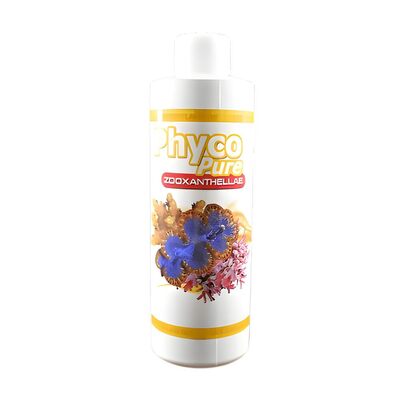
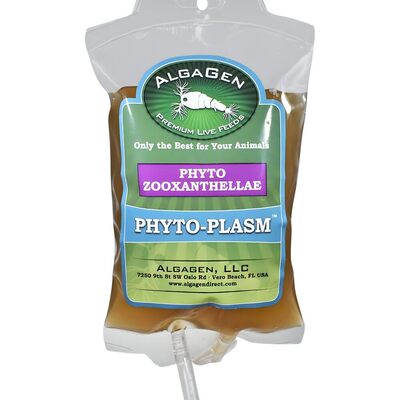
Featured Support Products


What are zooxanthellae?
Zooxanthellae are single-celled dinoflagellates that form a symbiotic relationship with many corals. The algae get a protected home and access to the coral’s waste nutrients, while the coral gets a steady stream of energy-rich compounds made from sunlight.
Why corals rely on them
- Energy Production: Photosynthesis produces sugars and other compounds the coral uses for growth and repair.
- Vibrant Color: Many coral pigments and healthy hues are influenced by these symbionts.
- Growth Efficiency: The partnership lets corals thrive where dissolved nutrients are naturally low.
Zooxanthellae and coral bleaching
Coral bleaching happens when corals lose a significant amount of their zooxanthellae, revealing the white coral skeleton beneath the clear tissue. Bleaching is a stress response, not a disease by itself.
Common stressors that trigger bleaching
- Temperature Swings: Especially prolonged heat stress or rapid cooling.
- Too Much Light: Sudden increases in intensity or photoperiod (light shock).
- Poor Water Chemistry: Unstable alkalinity, salinity, or pH levels.
- Contaminants: Metals, aerosols, or unfiltered tap water.
Quick chart: Light, nutrients, and reef energy
| Factor | Too low can cause… | Too high can cause… | Best practice |
|---|---|---|---|
| Light | Reduced photosynthesis, slower growth | Photo-stress, bleaching risk | Ramp changes slowly; match intensity to coral type |
| Nutrients (N/P) | Pale corals, reduced resilience | Algae outbreaks, brown-out | Aim for stability; avoid “zero everything” swings |
| Flow | Detritus buildup, low oxygen | Tissue damage if direct blast | Randomized flow patterns; good surface agitation |
| Stability | Slow decline and chronic stress | Sudden swings can trigger bleaching | Automate top-off; make small corrections |
Reef-safe tips to support coral health
- Acclimate to new lighting: Use a ramp schedule when changing LEDs or bulbs.
- Keep alkalinity stable: Avoid large day-to-day swings; adjust dosing slowly.
- Maintain salinity consistency: Use an Auto Top-Off (ATO) system.
- Feed the system thoughtfully: Corals still benefit from particulate foods even with photosynthesis.
- Prioritize gas exchange: Ensure good surface agitation and clean skimmer intakes.
Related Articles
- Reef Tank Lighting: Spectrum, PAR, and Schedule
- Live Foods for Coral: Feeding SPS, LPS, and Softies
- Reef Tank Water Parameters: Live Food Edition


Recent post