LPS corals are where most reef aquarists find their footing. They are visually dramatic in a way that SPS corals take years to achieve, they tolerate the kind of parameter variation that new tanks inevitably produce, and they respond to good care quickly and visibly — full polyp extension, strong colour, and measurable growth within months rather than years. For a beginner building their first reef, LPS corals are the right starting point. The question is which ones to start with and what they actually need to look their best.
The answer to the first question is simpler than most beginner guides suggest. A handful of species account for the vast majority of successful beginner LPS tanks, and they succeed for the same reasons: stable moderate light, low to moderate flow, and a feeding routine that goes beyond what their zooxanthellae alone can provide. Get those three things right and most beginner LPS species will reward you far beyond what their reputation as "easy" corals implies.
The Best LPS Corals for Beginners
Hammer Coral (Euphyllia ancora) is the most widely recommended entry-level LPS for good reason. Its hammer-shaped polyp tips are unmistakable, it extends fully and reliably under moderate conditions, and it grows visibly over a standard reef keeping timeline. It handles a range of lighting and flow levels without the sensitivity that more demanding species show, and it is one of the few LPS corals that actively sweeps territory with its tentacles — a behaviour that looks impressive but also means it needs adequate space from neighbouring corals.
Torch Coral (Euphyllia glabrescens) is closely related to hammer coral and shares its general hardiness, but with long flowing tentacles that move dramatically in gentle current. It is slightly more sensitive to direct flow than hammer coral and should be placed in an area of indirect, gentle water movement rather than pointed at a powerhead. Both Euphyllia species are prone to a condition called rapid tissue necrosis if placed too close together in the same system, so keep them separated and monitor their response when first placed.
Frogspawn Coral (Euphyllia divisa) rounds out the Euphyllia trifecta. It is arguably the most forgiving of the three, accepting a wider PAR range and tolerating mild parameter fluctuations that would stress torch or hammer. Its multi-tipped polyps sway in light current and it fills aquascape space beautifully as a colony develops. Like all Euphyllia, it feeds actively and responds visibly to regular live food additions.
Candy Cane Coral (Caulastrea furcata) is the right choice for aquarists who want a more structured, geometric look. Its ringed polyps sit on a distinct skeleton and it does not sweep territory aggressively, making it one of the safest LPS species for placement near other corals. It handles moderate to slightly higher light well and its feeding response is strong — extended polyps actively capturing passing particles is a reliable nightly event in a well-fed tank.
Duncan Coral (Duncanopsammia axifuga) is a fast grower and a prolific feeder that regularly develops new heads — each new polyp visually increasing the size and density of the colony. It is one of the most responsive LPS species to target feeding and will extend feeding tentacles aggressively when it detects food in the water. For a beginner who wants to learn the feeding response and see rapid colony growth, Duncan coral is the most educational LPS you can keep.
| Species | PAR Range | Flow | Feeding Response | Territory Aggression | Beginner Rating |
|---|---|---|---|---|---|
| Hammer Coral | 50–100 | Low–moderate | Strong | Moderate — sweeper tentacles | ⭐⭐⭐⭐⭐ |
| Torch Coral | 50–100 | Low — indirect only | Very strong | Moderate | ⭐⭐⭐⭐⭐ |
| Frogspawn | 50–150 | Low–moderate | Strong | Low–moderate | ⭐⭐⭐⭐⭐ |
| Candy Cane Coral | 75–150 | Moderate | Moderate | Low — safe neighbour | ⭐⭐⭐⭐⭐ |
| Duncan Coral | 100–150 | Moderate | Very strong | Low | ⭐⭐⭐⭐⭐ |
| Bubble Coral | 50–100 | Very low — sensitive | Strong at night | Low — space needed for bubble expansion | ⭐⭐⭐⭐ |
Why Live Feeding Makes the Difference
The mistake most beginner LPS keepers make is treating their corals as plants rather than animals. LPS corals have a mouth, a gut, and feeding tentacles that extend specifically to capture prey. The zooxanthellae inside their tissue handle the baseline energy needs through photosynthesis, but they do not provide everything the coral needs for skeleton growth, tissue repair, and reproduction. LPS corals that receive regular live or meaty food grow noticeably faster, hold colour more consistently, and recover from stress events more quickly than corals kept under identical parameters but never target-fed.
The best feeding window is in the evening, thirty to sixty minutes after lights begin to dim. This is when LPS polyps extend their feeding tentacles most fully and are actively sweeping the water for passing prey. Reduce flow slightly during this window to keep food particles in suspension near the coral rather than blasting them to the overflow. A turkey baster or feeding pipette makes it easy to deliver food directly to extended polyps without broadcasting excess nutrients across the whole tank.

Live copepods are one of the most effective foods for LPS corals because they move. A copepod nauplii drifting past an extended hammer coral polyp triggers the same predatory response that the coral would use on a real reef — the tentacle contacts the prey, the nematocysts fire, and the food item is drawn to the coral's mouth. This is a fundamentally different nutritional and behavioural event from a dissolved liquid food drifting past. Zoo-Plasm™ PODS delivers a live mixed copepod culture of three species in AlgaGen's Easy Feed Packaging, making it straightforward to drip live copepods into the tank consistently throughout the evening feeding window. The mixed species coverage means different polyp sizes across your LPS collection all encounter prey at an appropriate particle size.
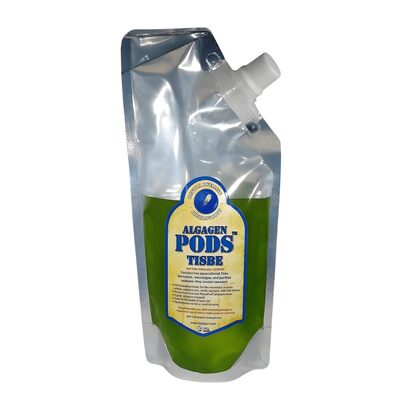
For aquarists running a refugium alongside their display tank, AlgaGenPods™ Tisbe builds the self-sustaining copepod infrastructure that makes nightly live feeding passive rather than manual. A well-seeded Tisbe refugium continuously exports nauplii into the display throughout the evening — the corals receive live prey without any active input from the aquarist, and the same population that feeds the corals is cleaning the substrate and supporting the biological filtration layer simultaneously.

Water Parameters and Common Mistakes
The parameter targets for beginner LPS corals are not complicated, but stability matters more than precision. Alkalinity between 8 and 10 dKH, calcium between 380 and 430 ppm, magnesium between 1250 and 1350 ppm, and salinity at 1.025 to 1.026 cover all the beginner species listed above. What causes more LPS failures than wrong parameter values is swinging parameters — alkalinity that moves three or four points in a week, salinity that drops after evaporation is not topped off, or calcium that spikes after a large two-part addition. Consistent small adjustments always beat infrequent large corrections.
The other common beginner mistake with LPS corals is placement driven by aesthetics rather than biology. Torches placed in high direct flow retract and stay retracted. Hammers placed too close to other Euphyllia species trigger chemical warfare responses. Bubble coral placed at any height where a powerhead current reaches its expanded bubble tissue sustains damage that invites infection. Read each species' specific flow and space requirements before placing and resist the temptation to move corals repeatedly once placed — every move is a stress event that takes energy away from growth.
Start with one or two species, learn their specific behaviours and feeding responses, and expand from there. The beginner LPS species listed here are forgiving enough to survive early mistakes and rewarding enough to make those mistakes worth learning from. A hammer coral that has fully extended its polyps under good flow and light, actively sweeping for live food in the evening, looks like nothing else in the hobby. That is the outcome the setup work is building toward.
Frequently Asked Questions
What is the easiest LPS coral for beginners?
Hammer coral, frogspawn, and candy cane coral are consistently the most recommended LPS species for beginners. All three are tolerant of moderate parameter variation, handle a range of lighting and flow conditions, and show visible responses to good care quickly. Duncan coral is also excellent for beginners who want fast growth and a very active feeding response.
Do LPS corals need to be fed directly?
Yes. While zooxanthellae provide baseline energy through photosynthesis, LPS corals have active mouths and feeding tentacles designed to capture particulate prey. Regular direct feeding with live or meaty foods two to three times per week produces noticeably faster growth, stronger coloration, and better stress recovery than corals kept under identical parameters but never fed.
Why is my LPS coral not extending its polyps?
The most common causes are flow that is too direct or too strong, light that was increased too quickly or is too intense for the placement, water parameters that are unstable or out of range, or a recent move that is still causing stress. Reducing direct flow is the first adjustment to try — most LPS species retract immediately when flow becomes too strong or is hitting them at the wrong angle.
Can I keep multiple Euphyllia species in the same tank?
Yes, but with careful placement. Hammer, torch, and frogspawn corals are all Euphyllia and can sting each other when polyps make contact. Keep them separated by at least six inches at full extension and monitor for signs of chemical warfare — tissue recession at the edges of a polyp closest to a neighbouring Euphyllia is the typical early warning sign.
What live food works best for feeding LPS corals?
Live copepod nauplii and small zooplankton are ideal because their movement triggers the natural predatory feeding response in LPS polyps. Zoo-Plasm PODS delivers a mixed live copepod culture specifically suited to reef coral feeding. A refugium seeded with Tisbe copepods provides a passive continuous nauplii supply into the display without any manual feeding required.
Related reading:
The Beginner's Guide to Mastering LPS Coral Care
Live Foods for Coral: Feeding SPS, LPS, and Softies
Zooxanthellae Explained: Coral Energy Source

Recent post