
Corals don’t wait for flakes to dissolve. In the wild, they snatch living prey from the current—rotifers, copepod nauplii, even baby brine. Replicate that pulse in your tank and watch tissue expand, polyps unfurl, and colors ignite. This guide matches live foods to coral types—SPS, LPS, softies—and delivers the feeding rhythm that turns hungry skeletons into thriving colonies.
The Coral Diet: Not All Polyps Are Equal
SPS demand density. Their tiny polyps filter massive water volumes, pulling in particles under 200 microns. LPS hunt larger prey—rotifers and nauplii trigger feeding response with motion. Soft corals broadcast feed, sweeping anything edible into their mouths. One truth binds them: live beats frozen every time.
Research from the Australian Institute of Marine Science shows corals fed live zooplankton weekly grow 52% faster than those on prepared foods alone. Motion, nutrition, and instinct—live foods deliver all three.
Coral Feeding Styles:
- SPS: High-volume micro-filtering
- LPS: Targeted prey capture
- Softies: Opportunistic sweeping


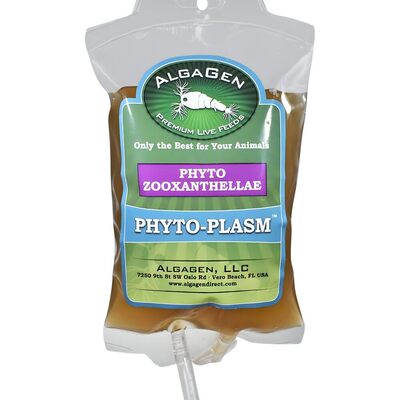
Left: Zoo-Plasm™ Rotifers — LPS favorite. Right: Dense rotifer culture — SPS cloud food.
SPS: Cloud Feeding with Rotifers
Acropora and Montipora filter thousands of gallons daily. Flood the water column with 100–150 rotifers per mL for 30 minutes at lights-out. Use live rotifers enriched with phyto for 2 hours prior—gut-loading doubles HUFA content.
Turn off skimmer and return pump. Broadcast 5–10 mL across the surface. Watch polyps extend like fingers. Resume flow slowly after 45 minutes. Dose 2–3 times weekly. Result: thicker bases, faster encrusting, neon tips in 21 days.
LPS: Target Feeding with Zoo-Plasm
Torch, hammer, and frogspawn strike at moving prey. Draw 3 mL of Zoo-Plasm™ Rotifers into a turkey baster. Dim lights. Gently puff directly into open mouths. Each head gets 3–5 rotifers. Feed nightly for aggressive growers, 3x weekly for moderate.
Alternate with baby brine shrimp nauplii—newly hatched Artemia add variety and trigger stronger response. Avoid overfeeding; uneaten zoo sinks and fuels bacteria. Vacuum excess after 1 hour.
Soft Corals: Broadcast and Sweep
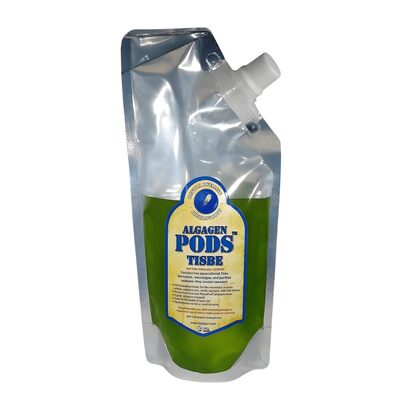
Mushrooms, xenia, and kenya tree sweep the water column. Dose 2 mL of Zoo-Plasm™ PODS per 50 gallons at dusk. The mix of copepod nauplii and rotifers drifts into pulsing polyps. No targeting needed—softies grab what flows by.
Pair with light phyto dosing earlier in the day. The combo mimics lagoon conditions: phyto for energy, zoo for protein. Pulse feeding 4x weekly keeps colonies plump and reproductive.
Feeding Schedule by Coral Dominance
SPS-dominant: rotifer clouds Monday, Wednesday, Friday. LPS-dominant: target rotifers nightly, baby brine weekends. Mixed reefs: rotifers broadcast 2x, target LPS 2x, softies sweep 1x. Adjust based on polyp extension—full and happy means perfect.
Enrichment: Supercharge Live Foods
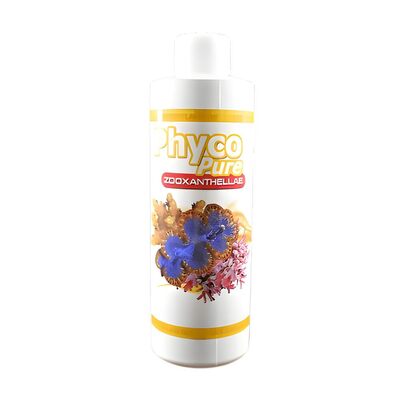
Never feed plain. Gut-load rotifers with PhycoPure™ Zooxanthellae for 2–4 hours before dosing. The dense brown algae pack carotenoids—corals glow within weeks. Tisbe pods self-enrich in refugiums fed phyto nightly.
Baby brine: hatch in 1.015 SG, decapsulate eggs for easier digestion. Enrich with selco or algae paste for 6 hours post-hatch. Motion + nutrition = maximum coral response.
Signs of Success vs Stress
Success: polyps fully extended 30 minutes after feeding, tissue thickening weekly, new heads forming. Stress: retracted polyps at feed time, browning tissue, algae on skeletons. Dial back frequency or volume. Test NO₃ and PO₄—keep under 5 ppm and 0.05 ppm.
Storage and Handling: Keep It Fresh
Live rotifers: refrigerate unopened bottles. Use within 7 days of opening. Shake gently daily. Zoo-Plasm™ PODS: room temp until opened, then refrigerate. Baby brine eggs: store cool and dry—viability drops after 18 months.
Advanced: Auto-Feeding Systems
Install a peristaltic pump on a timer. Dose 1 mL rotifers every 4 hours during dark cycle. Pair with refugium overflow—nauplii auto-export into display. Zero effort, constant nutrition. SPS growers report 3x faster vertical growth.
FAQ: Live Coral Feeding
Do SPS need to be target fed?
No — broadcast rotifer clouds in flow. Motion triggers filter feeding.
Can I feed frozen instead of live?
Yes, but live triggers 3x stronger response and better nutrition.
How often to feed corals live foods?
2–5 times weekly based on coral type and growth goals.
Related: Phyto vs Zoo | Phyto Dosing | Live Rotifers

Recent post