
The reef doesn’t run on light alone. Beneath the shimmer, a microscopic battlefield decides who thrives and who fades. Tiny green cells drift like dust. Swarming micro-critters dart between corals. One feeds the foundation. The other feeds the hunters. This guide slices through the confusion — phytoplankton versus zooplankton — and shows exactly how to wield both for a tank that glows from the inside out.
The Two Kingdoms: Plants vs Animals
Phytoplankton are the solar panels of the sea. Single-celled algae like Nannochloropsis and Isochrysis convert light into energy, releasing oxygen and packing HUFAs. They form the base of the food web — the green engine that powers everything above.
Zooplankton are the predators. Copepods, rotifers, and brine shrimp hunt, graze, and reproduce. Tisbe pods scrape biofilm. Rotifers filter phyto. Together they transform plant energy into animal protein — the perfect bite-sized packets for fish fry, mandarins, and coral polyps.
A 2024 study from the Coral Reef Alliance found tanks receiving balanced phyto-zoo dosing showed 45% faster coral growth and 70% higher pod density than phyto-only systems. The message is clear: both are essential.
Core Difference:
- Phyto = energy producers
- Zoo = protein converters
- Both = complete reef nutrition


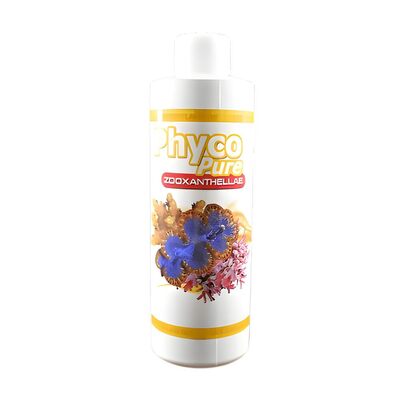
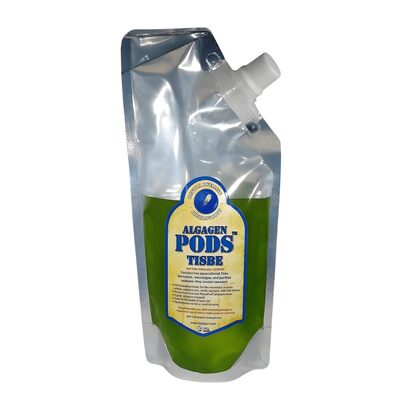
Left: PhycoPure™ Reef Blend — the green fuel. Right: Tisbe pods — the protein delivery system.
Phytoplankton: The Solar Engine
These microscopic plants come in blends like PhycoPure™ Reef Blend — a cocktail of Nannochloropsis, Tetraselmis, and Isochrysis. Each strain serves a purpose. Nanno delivers dense calories. Isochrysis boosts omega-3s. Tetraselmis adds vitamins.
Corals consume 30–70% of their energy from direct phyto uptake. Filter feeders like clams and sponges rely on it entirely. Without regular dosing, growth stalls, colors mute, and pod food vanishes. One milliliter per 10 gallons at dusk keeps the engine humming.
Zooplankton: The Protein Pipeline
Copepods like Tisbe and Apocyclops dominate the zoo world. Adults graze detritus and phyto. Nauplii — their babies — become living protein pellets for fish. A single 8oz bottle of AlgaGenPods™ Tisbe contains over 50,000 individuals, each loaded with HUFAs from phyto-rich diets.
Rotifers bridge the gap for fry. Too small for most fish to hunt, they’re perfect for larval mouths. A dense rotifer culture seeded weekly ensures constant supply. Mandarins, seahorses, and wrasse fry depend on this live motion to trigger feeding response.
The Feeding Cascade: How It Flows
Dose phytoplankton at lights-out. Corals and pods feed immediately. Within 12 hours, rotifers multiply on the surplus. By day two, copepod nauplii hatch and graze. Fish hunt the swarm at dusk. The cycle repeats — a self-reinforcing loop of growth and color.
Skip phyto, and zoo crashes. Overdo zoo without phyto, and you starve the base. Balance is measured in milliliters and timing.
Pairing Strategy: Phyto + Zoo by Tank Type
Mixed reefs run 3x weekly phyto (1 mL/10 gal) and 1x weekly Tisbe (1 mL/20 gal). SPS systems double phyto frequency and spot-feed zoo directly to coral mouths. Nano tanks halve all doses and rely on refugium export.
Breeding setups invert the ratio — heavy rotifer cultures daily, light phyto to sustain. Pair live rotifers with phyto for 90% larval survival.
Signs of Imbalance: Read Your Tank
Pale corals with retracted polyps? Phyto deficiency. Cloudy water and cyano? Phyto overdose. No pod clouds at night? Zoo collapse — reseed and feed phyto. Green water lasting 24 hours? Cut phyto 50%. The tank speaks — listen.
Storage Rules: Keep Both Alive
Phytoplankton lives 6–8 weeks refrigerated at 36–40°F. Shake daily. Never freeze. Zooplankton bottles stay viable 4–6 weeks at room temp if unopened. Once opened, use within 7 days. Acclimate live cultures slowly — 15 minutes in tank water.
Advanced: Closed-Loop Nutrition
Run a refugium with chaeto and rubble. Dose phyto heavily into the display. Excess flows to the refugium where Tisbe explode. Harvest nauplii nightly via sponge filter. The loop exports nutrients while producing food — zero waste, maximum gain.
FAQ: Phyto vs Zoo
Do corals eat zooplankton?
Yes — nauplii and rotifers provide protein. Phyto provides energy.
Can I dose both phyto and zoo together?
Yes — phyto first at dusk, zoo 2 hours later for maximum uptake.
Which is better for pod production?
Phyto is the fuel. Zoo is the result. Both required.
Related: Phytoplankton Dosing | Copepods Guide | All Live Foods
Recent post