
In the vast ecosystem of a coral reef, everything begins with phytoplankton. These microscopic, photosynthetic organisms are the primary producers of the ocean, converting sunlight into energy and forming the absolute base of the food web. In a home reef tank, maintaining a healthy supply of phytoplankton is not just a "bonus"—it is a fundamental requirement for a truly thriving, biologically diverse environment. Without it, the micro-fauna that your corals and fish depend on will eventually dwindle.
The biological role of phytoplankton
Phytoplankton serves multiple roles in a closed aquarium system. First and foremost, it is a direct food source for many filter-feeding organisms, including certain corals, clams, sponges, and feather dusters. Beyond direct consumption, phytoplankton fuels the populations of zooplankton, such as copepods and rotifers. By dosing live phytoplankton, you are essentially feeding the "clean-up crew" and the "live food" at the same time, creating a natural cycle that mimics the open ocean.
- Nutrient Export: Live phytoplankton consumes nitrates and phosphates as it grows, helping to naturally lower nutrient levels in the water column.
- Coral Coloration: Many corals derive essential pigments and fatty acids from phytoplankton, leading to more vibrant colors and faster growth rates.
- Micro-fauna Support: A steady supply of "green water" ensures that your copepod population remains dense enough to support picky eaters like Mandarins.
Live vs. Concentrated Phytoplankton
When choosing a phytoplankton supplement, the "live" factor is crucial. Live phytoplankton remains suspended in the water column and continues to perform photosynthesis until it is consumed. This means it does not add to the organic waste load of the tank in the same way that dead, concentrated pastes can. Furthermore, live algae are more nutritionally complete, providing the full spectrum of vitamins and amino acids that are often lost during the processing of preserved foods.
Phytoplankton Dosing Guide
| Benefit | How it Works | Target Organisms |
|---|---|---|
| Direct Feeding | Filter feeders capture cells from water | Clams, Gorgonians, Soft Corals |
| Indirect Feeding | Boosts zooplankton populations | Copepods, Rotifers, Amphipods |
| Water Quality | Absorbs NO3 and PO4 | The entire aquarium ecosystem |
How to dose for maximum impact
For the best results, phytoplankton should be dosed when the aquarium lights are dim or off, as many filter feeders extend their tentacles more fully at night. It is also beneficial to temporarily turn off your protein skimmer for 30 to 60 minutes after dosing to prevent the live cells from being removed before the organisms have a chance to feed. Consistency is key—regular, smaller doses are far more effective at maintaining a stable ecosystem than large, infrequent additions.
Featured pod support

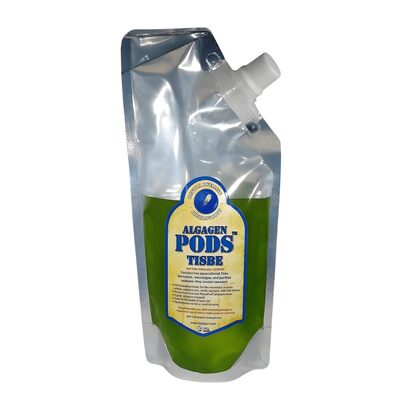
AlgaGenPods™ Tisbe — These benthic pods thrive when fueled by high-quality phytoplankton.

AlgaGenPods™ Apocyclops — Hardy water-column pods that benefit from regular "green water" dosing.
Recent post