When you are raising fry or marine larvae, size and timing matter more than almost anything else. Many newborn fish cannot eat baby brine shrimp right away, and powdered foods often foul the water before the fry can take advantage of them. That is exactly why live rotifers are so popular: they are tiny, slow-moving, and easy for fry to capture. If you are shopping for live rotifers for sale, the real goal is not just buying a live feed—it is building a feeding plan that improves survival, growth, and consistency from hatch day onward.
Why rotifers are the “first food” for so many species
- Perfect bite size: Rotifers are small enough for many larvae to eat immediately after they become free-swimming.
- Constant availability: They stay suspended in the water column, creating a “feeding cloud” fry can graze all day.
- Better feeding response: Live motion triggers strike behavior and reduces early starvation risk.
Rotifers vs other live foods (quick chart)
| Live Food | Best Use | Pros | Watch-outs |
|---|---|---|---|
| Rotifers | New fry / early larvae | Small, slow, easy to catch | Must enrich for best nutrition |
| Copepod nauplii | Early to mid larvae | Often nutritionally excellent | Can be harder to culture/maintain density |
| Baby brine shrimp | Later fry stages | Easy, widely used | Often too large early; enrichment still important |
The key step most people skip: enrichment
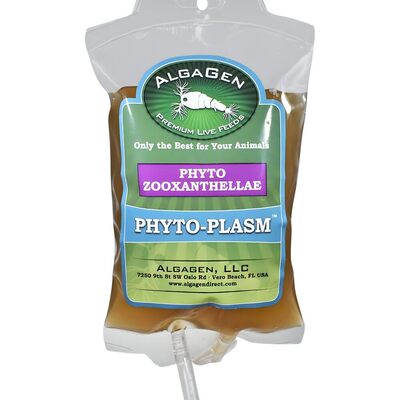
Rotifers are only as nutritious as what they have been eating. To turn rotifers into a true “superfood,” you want them actively feeding on a high-quality plankton source before you feed them to fry. This is commonly called gut-loading or enrichment. A good enrichment routine improves fatty acid content and overall energy—two things that directly affect larval survival and early development.
- Goal: Rotifers should look actively feeding and the culture water should not be crystal clear right before harvest.
- Timing: Enrichment can be done shortly before feeding windows so fry get the highest nutritional value.
- Consistency: Small, repeated feeds beat occasional heavy dosing (less crash risk, cleaner water).
Feeding strategy: how to use rotifers without wrecking water quality
The biggest downside to rotifer feeding is not the rotifers—it is the extra nutrients that come with overfeeding and the waste that follows. Use a measured approach:
- Feed in pulses: Add a controlled dose, observe feeding response, then top-off as needed.
- Maintain a light “food cloud”: Enough prey that fry can find food easily, not so much that the system turns into soup.
- Remove dead zones: Gentle circulation keeps rotifers accessible and reduces bottom waste buildup.
Shopping tip: what “good” live rotifers should look like
- Active movement: You should see consistent motion under a light or with magnification.
- Clean smell: Mild “ocean/pond” smell is normal; strong sulfur smell is a red flag.
- Clear use-case: Know whether you’re feeding marine larvae, freshwater fry, or doing enrichment for picky eaters.
Featured support products

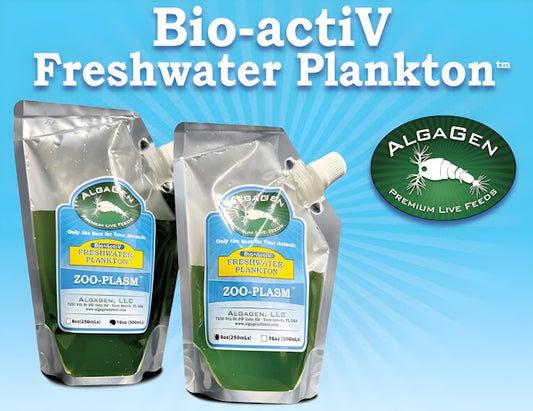
Bio-actiV Freshwater Plankton™ — A simple way to feed and condition live cultures for stronger nutritional value.

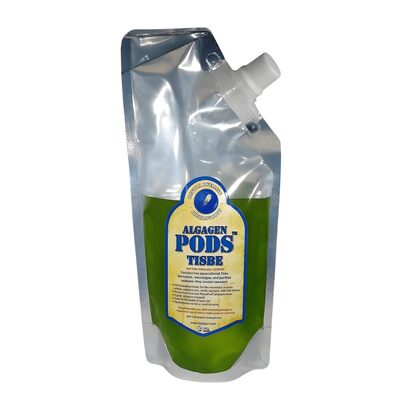
Zoo-Plasm™ PODS — Convenient plankton nutrition support for live-feeding routines and hatchery-style systems.
Recent post