
Deep in the shadows of your sump, a quiet revolution begins. A forgotten chamber transforms into a living engine — Tisbe pods multiplying by the thousands, nauplii drifting into the display like snow at dusk, mandarins growing plump on an endless buffet. This isn’t fantasy. It’s a refugium done right. And this guide hands you the exact map: lighting cycles, flow patterns, media layers, and feeding rhythms that turn theory into thriving reality.
The Refugium Advantage: Why It Changes Everything
In the display tank, copepods face a war — fish mouths, powerheads, skimmer cups. Most never make it past day three. But behind a baffle or in a dedicated chamber, the rules flip. No predators. Low turbulence. Abundant biofilm. The result is exponential: one 8oz bottle of Tisbe pods seeded into a 10-gallon refugium can yield the equivalent of a dozen bottles annually. More than food security, it’s nutrient export in motion — pods grazing detritus, macroalgae pulling nitrates, water returning cleaner than it left.
A 2024 Reef2Reef survey found refugium keepers reporting 25% lower nitrates and 40% fewer algae outbreaks. The math is simple: protected pods = stable ecosystem.
The Refugium Edge:
- Self-sustaining pod population
- Natural nutrient reduction
- Constant live food supply


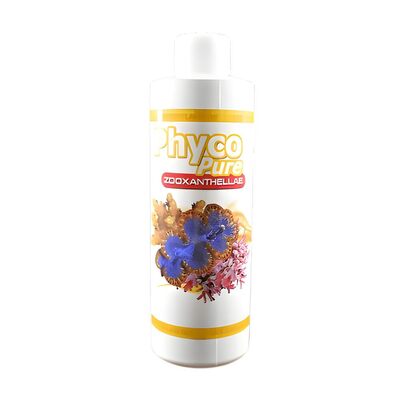
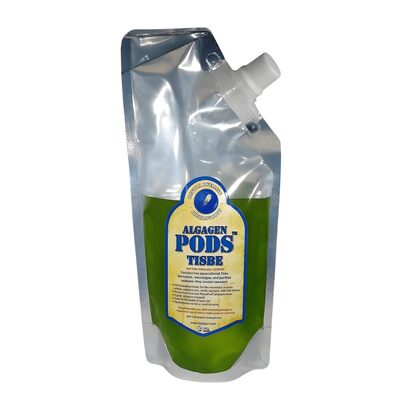
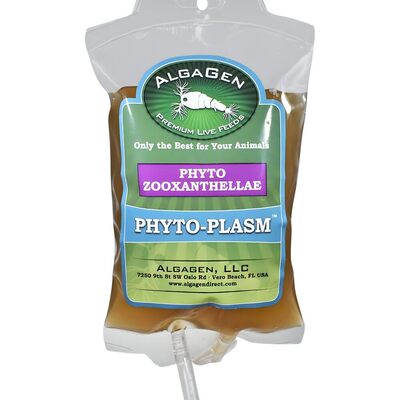
Left: Tisbe culture — your starter colony. Right: PhycoPure™ — the growth accelerator.
Building the Foundation: Hardware That Works
Skip the overpriced kits. A functional refugium starts with humble gear. A 10–20 gallon tank or sump section serves as the canvas.
Light comes from a simple 6500K clip-on LED, running opposite the display — on when the main tank sleeps, off when it wakes. This reverse photoperiod keeps macroalgae pumping while the display rests, preventing pH swings.
Inside, layer matters. A shallow bed of aragonite (optional) anchors the base. Above it, 2–3 pounds of porous live rock rubble creates caverns for pods to burrow and breed. Top with a fist-sized clump of chaetomorpha — its tangled fronds become condominiums for adults and nurseries for nauplii. Flow should whisper, not roar: 100–200 GPH through a gentle spray bar or loc-line. Too much current, and babies get shredded before they reach the display.
Temperature aligns with the main system — 78–80°F. A small heater and thermometer keep it steady. Total investment? Under $60 if you repurpose existing equipment.
The Launch Sequence: From Empty to Exploding
Setup takes less than an hour, but precision matters. Begin by rinsing the rubble in old tank water to preserve beneficial bacteria. Layer it loosely — tight packing suffocates biofilm. Add the chaeto last, tucking it into crevices so it doesn’t float into the return pump.
Fill slowly with water siphoned from the display to avoid air pockets. Salinity must match exactly — even 0.001 off stresses pods. Now the magic: introduce 2 mL of Tisbe pods directly into the rubble. Follow with 5 mL of PhycoPure™ Reef Blend — a nutrient pulse that jump-starts reproduction.
Flip on the light for 12 hours. By day 14, you’ll see it: clouds of nauplii drifting toward the overflow, a living conveyor belt of food.
“I used to dose pods weekly. Now the refugium does it for me. My pair of mandarins haven’t missed a meal in 18 months.”
— Ryan M., reef keeper
The Rhythm of Growth: Feeding and Maintenance
Pods don’t need coddling, but they do need consistency. Every Monday, add 5 mL of PhycoPure™ Reef Blend. This microalgal boost fuels both pods and chaeto. On Thursdays, trim the macro by 20% — too much growth smothers rubble. If pod density dips (rare), add another 2 mL of Tisbe.
Weekly, check pH — aim for 8.0–8.4. Top off evaporation with RO/DI. That’s it. The system self-regulates from there.
Media That Delivers: Chaeto, Rubble, and Beyond
Chaetomorpha reigns supreme — dense, non-invasive, and pod-friendly. Avoid caulerpa; its sexual phases can crash a system. Live rock rubble is non-negotiable — its surface area hosts the biofilm Tisbe graze. For extra filtration, toss in a handful of MarinePure spheres, but never overcrowd.
A clever hack: place a coarse sponge over the return pump intake. It traps larger debris while letting nauplii pass through — a natural sieve.
When Things Go Sideways: Troubleshooting
No nauplii by day 14? Light may be too dim or phosphate too low. Increase phyto dosing and extend light to 14 hours. If chaeto melts, flow is likely too aggressive — reduce to a trickle. Ammonia spikes signal overfeeding; cut phyto in half and run carbon for 48 hours.
Next Level: The Dual-Chamber Design
Advanced keepers split the refugium into zones. One chamber holds rubble and Tisbe under low light — pure pod production. The second grows chaeto under bright LEDs. A slow trickle connects them. The result? Triple the pod output, cleaner water export.
FAQ: Refugium Copepods
How many copepods to seed a refugium?
2 mL (≈1,000 adults) per 10 gallons of refugium volume.
Do I need a light on refugium?
Yes — 6500K, 9–12 hours reverse cycle for macro growth.
Can pods survive in refugium with fish?
No — keep refugium isolated or behind sponge barrier.
Related: Copepods Guide | Rotifers Culture | Live Copepods

Recent post