
A refugium is more than just a place to grow macroalgae; it is a biological factory designed to produce a continuous supply of live food for your main display tank. By creating a "refuge" where copepods can breed without the threat of being eaten by fish, you ensure that your aquarium has a self-sustaining population of micro-fauna. A well-set-up refugium acts as a 24/7 buffet, naturally seeding the display tank with nutritious pods as they drift through the return pump or overflow.
The essential components of a pod-rich refugium
To maximize copepod production, you need to provide the right environment. Copepods thrive in areas with high surface area and low predation. Macroalgae, such as Chaetomorpha or Ulva, provide the perfect "jungle" for pods to hide and reproduce. Additionally, adding a layer of mineral-rich mud or fine sand can support benthic species like Tisbe, which prefer to crawl along surfaces rather than swim in the open water. The goal is to create as many nooks and crannies as possible to support a diverse and dense population.
- Macroalgae: Provides surface area for grazing and protection from high flow.
- Low Flow Zones: While the refugium needs turnover, having "quiet" spots allows pods to settle and breed.
- Pod Piles: Small stacks of rubble rock or ceramic media create permanent homes that won't be disturbed during algae harvesting.
Feeding your refugium factory
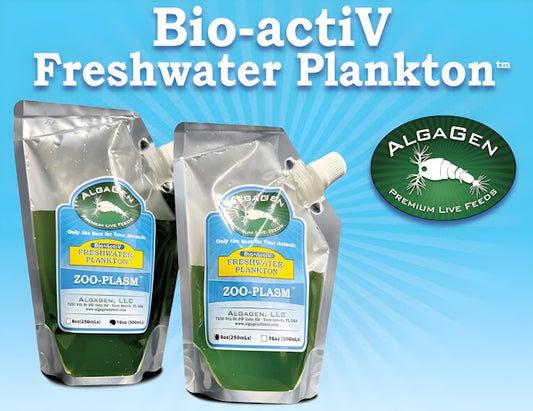
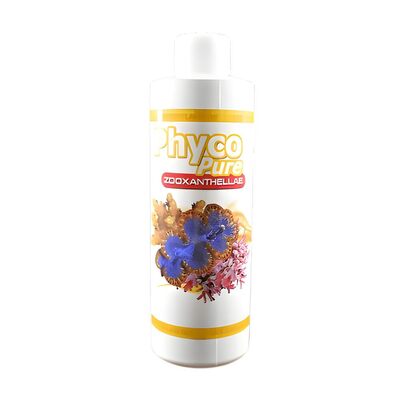
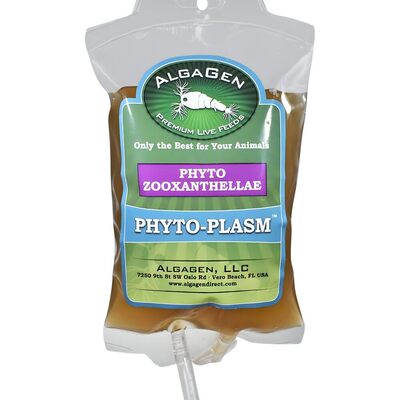
Even in a safe haven, copepods need fuel to reproduce at high rates. Dosing live phytoplankton directly into the refugium is the most effective way to "supercharge" your pod production. Phytoplankton provides the essential fatty acids that pods need to create nutrient-dense offspring. When your refugium is healthy and well-fed, you will notice thousands of tiny white specks on the glass—this is a sign that your ecosystem is working exactly as intended, providing a constant stream of planktonic life to your corals and fish.
Refugium Setup Checklist
| Component | Purpose | Pro Tip |
|---|---|---|
| Lighting | Grows macroalgae | Use a 6500K-5000K spectrum for best growth. |
| Substrate | Home for benthic pods | Miracle Mud or fine sand works best for Tisbe. |
| Seeding | Introduces life | Add a fresh bottle of pods every 3-6 months. |
| Harvesting | Nutrient export | Shake algae in the display before trimming to release pods. |
How to transfer pods to the display tank
Many hobbyists worry that the return pump will kill the copepods as they travel from the refugium to the display tank. In reality, most copepods are hardy enough to survive the trip through a centrifugal pump unharmed. However, you can also manually "seed" the display by taking a handful of macroalgae from the refugium and shaking it out in the main tank. This releases a massive burst of pods directly into the rockwork, providing an immediate feast for your fish and ensuring that the population remains balanced across the entire system.
Featured refugium pods

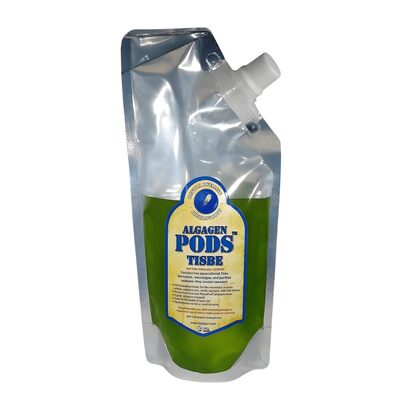
AlgaGenPods™ Tisbe — The classic benthic pod that loves the substrate of a healthy refugium.

AlgaGenPods™ Apocyclops — Versatile pods that thrive in the water column and algae of your refugium.
Recent post