Seahorses are among the most enchanting creatures in the marine world, but they are also some of the most demanding when it comes to nutrition. Unlike many other fish, seahorses have a primitive digestive system and lack a true stomach, meaning they must eat almost constantly to maintain their energy levels. In the wild, their diet consists primarily of small crustaceans, with copepods being a vital staple.
For the home aquarist, providing a steady supply of live copepods is one of the best ways to ensure the health, vibrancy, and longevity of these delicate animals. Live food not only meets their nutritional needs but also stimulates their natural hunting instincts.
Featured Seahorse Nutrition


Why Copepods are Essential for Seahorses
Seahorses are ambush predators that spend much of their day "snicking" small prey from the water column or off surfaces. Copepods are the perfect prey for several reasons:
- Nutritional Density: Copepods are rich in Highly Unsaturated Fatty Acids (HUFAs), which are critical for seahorse neurological and immune health.
- Size and Movement: Their small size and jerky swimming motions trigger the seahorse's predatory strike.
- Constant Availability: A healthy population of pods in the tank allows seahorses to graze throughout the day, mimicking their natural behavior.
Choosing the Right Pod Species
While any copepod is better than none, certain species are particularly well-suited for seahorse tanks:
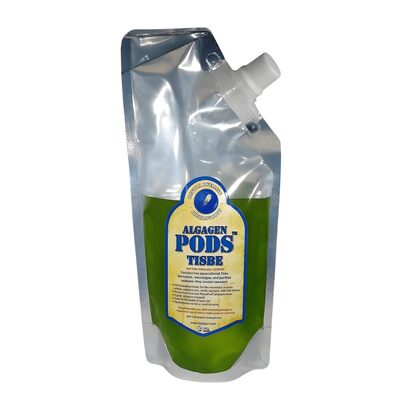
- Tisbe biminiensis: These benthic pods live on the rocks and glass. They are perfect for seahorses that like to "hunt the reef" and pick at surfaces.
- Apocyclops panamensis: These pods spend more time in the water column, making them easier for seahorses to spot and catch as they drift by.
Seahorse Feeding Strategy Chart
| Food Type | Role in Diet | Pros | Cons |
|---|---|---|---|
| Live Copepods | Primary Staple / Grazing | High nutrition, triggers hunting, stays alive in tank | Requires regular "seeding" or a refugium |
| Frozen Mysis | Supplemental / Bulk Calories | Convenient, high protein | Must be target fed, can foul water if uneaten |
| Live Brine Shrimp | Occasional Treat / Enrichment | Very active, easy to find | Low nutrition unless enriched (gut-loaded) |
| Rotifers | Fry Food | Perfect size for newborn seahorses | Too small for most adults to notice |
Tips for Maintaining a "Pod-Rich" Environment
- Use a Refugium: A separate area with macroalgae (like Chaetomorpha) allows copepods to breed without being eaten, providing a constant "drip" of food into the main tank.
- Seed Regularly: Even with a refugium, seahorses are efficient hunters. Adding a fresh bottle of pods every few weeks helps maintain the population.
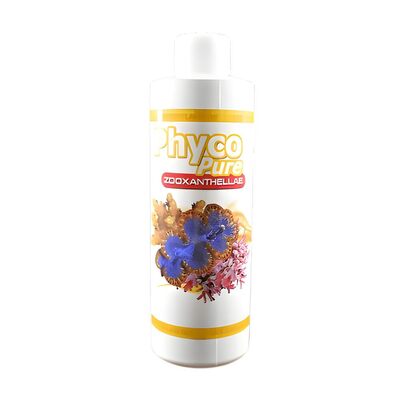
- Feed Your Pods: Dosing live phytoplankton like PhycoPure™ ensures your copepods are healthy and reproducing at their maximum rate.
- Night Seeding: Always add new pods at night when the seahorses are asleep to give the pods a chance to hide and colonize.
Related Articles
- Phytoplankton Dosing for Saltwater Tanks
- Live Foods for Coral: Feeding SPS, LPS, and Softies
- Reef Tank Water Parameters: Live Food Edition

Recent post