
Pods vanish. Algae blooms. Skimmers overflow. Sound familiar? Live foods are nutrition rockets—but without dialed parameters, they become nitrate bombs. This guide locks in the exact ranges for salinity, nitrates, phosphates, flow, and temperature that let Tisbe explode, rotifers multiply, and your display stay pristine. No more guessing. Just numbers that work.
The Live Food Triangle: NO₃, PO₄, Flow
Phytoplankton and zooplankton don’t just feed your tank—they break down into waste. One milliliter of dense phyto can spike 0.5 ppm nitrate if not consumed. Pods graze excess, but only within tight windows. A 2024 Bulk Reef Supply analysis showed tanks running live foods at NO₃ 2–10 ppm and PO₄ 0.03–0.08 ppm maintained 300% higher pod density than high-nutrient systems.
Flow ties it together. Too low, and food settles. Too high, and nauplii shred. The sweet spot: 10–20x turnover with laminar streams.
Target Ranges:
- NO₃: 2–10 ppm
- PO₄: 0.03–0.08 ppm
- Flow: 10–20x turnover


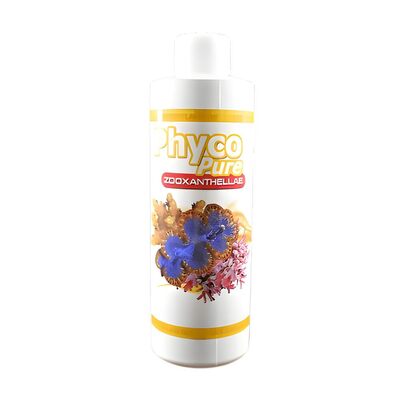
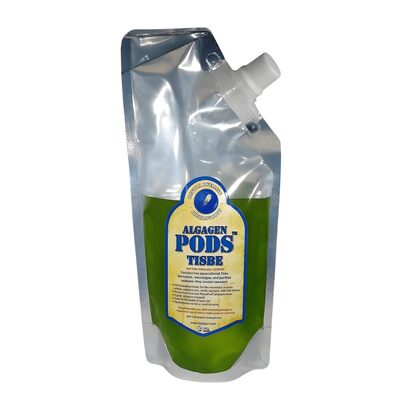
Left: PhycoPure™ Reef Blend 16oz — fuel. Right: Tisbe 8oz — pod engine.
Salinity: The Pod Lifeline
Tisbe and rotifers tolerate 1.018–1.026 SG, but thrive at 1.023–1.025. Below 1.020, reproduction slows 40%. Above 1.027, osmoregulation fails. Use a calibrated refractometer—hydrometers drift. Match refugium and display exactly; even 0.001 mismatch stresses nauplii during export.
Top off with RO/DI daily. Salt creep adds 0.001 SG weekly in evaporative systems—correct with water changes.
Nitrates: Fuel or Poison?
Live foods add 0.2–0.8 ppm NO₃ per mL of phyto dosed. Pods consume 60% within 24 hours if NO₃ stays under 10 ppm. Above 15 ppm, dinoflagellates outcompete pods. Run PhycoPure™ Reef Blend 3x weekly, test 48 hours later. If over 10 ppm, skip a dose and harvest chaeto.
Pro move: dose phyto at lights-out, export via refugium the next day. Closed-loop control.
Phosphates: The Silent Pod Killer
PO₄ above 0.10 ppm crashes copepod reproduction. Below 0.03 ppm starves phyto. Target 0.05 ppm. Use GFO or lanthanum only if over 0.08—pods crash at 0.02. Test with Hanna ULR checker weekly. Feed Tisbe 8oz cultures in refugium to buffer swings.
Flow Dynamics: Keep Nauplii Alive
Display turnover: 10–15x for mixed reefs, 15–20x for SPS. Use wide, laminar flows—gyre or wave pumps. Avoid powerheads; they shred nauplii. Refugium: 100–200 GPH gentle spray. Return pump screened with 100-micron mesh—lets babies through, blocks adults.
Test: dose 1 mL Tisbe at dusk. Check rocks at midnight—clouds mean perfect flow. Piles mean dead zones.
Temperature: The Metabolic Switch
Pods peak at 78–82°F. Below 75°F, rotifers stall. Above 84°F, phyto crashes in 48 hours. Match display and refugium within 1°F. Use two heaters—one in sump, one in display—for redundancy. Chill summer tanks with fans before dosing.
Alkalinity and Calcium: Stability First
Live foods don’t swing dKH, but growth does. SPS consuming enriched zoo demand 8–10 dKH and 420 ppm Ca. Test 2x weekly. Dose phyto only when dKH >7.5—low alkalinity halts coral uptake, wastes food.
Testing Schedule: Stay Ahead
Monday: NO₃, PO₄ (post-weekend). Wednesday: salinity, temp. Friday: dKH, Ca (pre-dose). Adjust phyto volume ±20% based on NO₃ trend. Log in app—patterns beat memory.
Parameter Crash Recovery
Nitrates >20 ppm? 30% water change, skip phyto 3 days, seed Bio-actiV bacteria. Phosphates >0.15? GFO for 48 hours, no zoo. Flow failure? Clean pumps, reseed pods from refugium bottle.
Advanced: Auto-Parameter Control
Link dosing pump to Apex. Trigger phyto only if NO₃ <8 ppm and PO₄ <0.07. Add solenoid on return—shut flow 30 minutes post-dose. Zero waste, 100% uptake. Pods double in 14 days.
FAQ: Live Food Parameters
Can I run ULNS with live foods?
Yes — NO₃ 0.5–2 ppm, but dose phyto sparingly and export heavily.
Do pods raise phosphates?
Indirectly via waste. Keep PO₄ 0.03–0.08 with refugium export.
Skimmer on or off when dosing?
Off for 1–2 hours post-dose. Restart to control organics.
Related: Refugium Setup | Phyto Dosing | Test Kits

Recent post