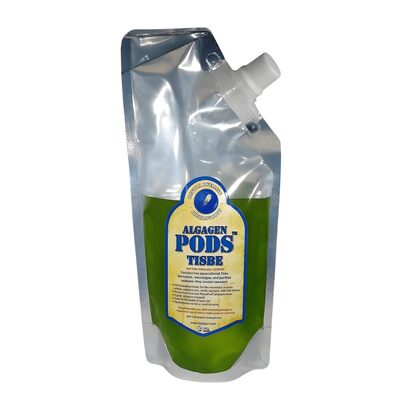
Tisbe biminiensis is one of the most popular copepod species for reef aquariums, prized for its ability to clean surfaces and provide high-quality nutrition for fish and corals. While Tisbe pods are remarkably hardy, understanding their specific environmental and dietary needs is the key to maintaining a self-sustaining population.
Whether you are culturing them in a separate vessel or seeding them directly into your display tank, focusing on temperature stability and proper feeding will ensure your "pod population" remains robust.
Featured Tisbe Care Products


Ideal Temperature for Tisbe Copepods
Tisbe pods are tropical organisms. While they can survive in cooler water, their metabolic rate and reproductive speed are heavily influenced by temperature. If the water is too cold, their growth slows down; if it is too hot, the water's oxygen-carrying capacity drops, which can lead to a population crash.
- Optimal Range: 72°F to 78°F (22°C to 25°C).
- Reproductive Peak: They tend to reproduce fastest at the higher end of this range (76°F-78°F).
- Stability: Avoid rapid fluctuations. A sudden 5-degree swing can be more damaging than a slow drift outside the optimal range.
Feeding Your Tisbe Population
Tisbe are benthic harpacticoid copepods, meaning they are "scavengers" that crawl on surfaces. Their diet is diverse, but for a booming population, you must provide specific nutrients:
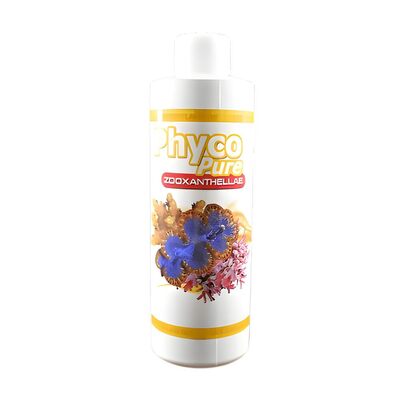
- Live Phytoplankton: This is the gold standard. Dosing live phytoplankton like PhycoPure™ provides the essential fatty acids (DHA/EPA) that pods need to produce nutritious eggs.
- Biofilm and Detritus: Tisbe pods naturally graze on the bacterial films and organic waste that accumulate on rocks and glass. This makes them an excellent part of your cleanup crew.
- Microalgae: They will also consume various forms of film algae, helping to keep your glass clear.
Tisbe Care Quick Reference Chart
| Parameter | Ideal Range | Notes |
|---|---|---|
| Temperature | 72°F - 78°F | Higher temps = faster reproduction |
| Salinity | 1.020 - 1.026 SG | Standard reef salinity is perfect |
| Primary Diet | Live Phytoplankton | Essential for long-term culture health |
| Secondary Diet | Biofilm / Detritus | Helps with tank maintenance |
| Lighting | Low to Moderate | Not strictly required, but helps algae growth |
Maintenance Tips for Success
- Avoid Copper: Like all crustaceans, Tisbe pods are highly sensitive to copper-based medications.
- Provide Surface Area: In culture vessels, use "pod hotels" or bundles of coarse filter floss to give them more area to crawl and breed.
- Harvest Regularly: If culturing separately, removing a portion of the population weekly prevents overcrowding and keeps the culture in a "growth phase."
- Seed at Night: When adding to a display tank, do so after the lights are off to give them time to find hiding spots before fish start hunting.
Related Articles
- Types of Copepods: A Guide to These Tiny Marvels
- Phytoplankton Dosing for Saltwater Tanks
- Reef Tank Water Parameters: Live Food Edition
- Refugium Setup for Copepods

Recent post