You add copepods, you see them for a week or two… and then they seem to vanish. A copepod “die-off” can be frustrating because pods live in tiny habitats (rock pores, sand, refugiums) and their population changes fast when conditions shift.
Common Causes of Copepod Die-Off (and How to Fix Each One)
1) Not enough food (the #1 cause)
Copepods need a steady supply of micro-foods: biofilm, detritus (in small amounts), and especially phytoplankton and/or microalgae. In very “clean” tanks (aggressive export, brand-new systems, bare-bottom, heavy filter socks), pods can starve quickly.
- Signs: You see pods after adding them, then fewer and fewer. Refugium looks “too clean.”
- Fix: Dose phytoplankton on a schedule and avoid stripping the tank ultra-clean immediately after seeding.
2) Over-skimming + aggressive mechanical filtration
Pods (and especially their nauplii) can be removed by fine mechanical filtration, roller mats, filter socks, and high-throughput skimming. Even if pods aren’t “dying,” they can be exported faster than they reproduce.
- Signs: Pods never establish in the display; you only see them right after dosing.
- Fix: After seeding pods, consider reducing mechanical filtration for 12–24 hours, and seed at night so they can settle into rockwork and refugium zones.
3) Predation pressure (they’re being eaten)
In many tanks, pods don’t “die off” so much as they get hunted into invisibility. Mandarins, wrasses, anthias, scooter blennies, and even some corals will reduce visible pod numbers quickly.
- Signs: Fish look well-fed and active; pods are scarce in the display but may still exist in the refugium/overflow.
- Fix: Use a refugium or protected breeding zone. Seed more than once and feed the pod base (phyto) so reproduction can outpace hunting.
4) Copper, medications, and “invisible” contaminants
Copper is lethal to copepods at very low concentrations. Some fish medications, algaecides, and even contaminated equipment (from past quarantine use) can wipe out microcrustaceans.
- Signs: Sudden crash after treatment; snails/shrimp may also struggle depending on product and dose.
- Fix: Never treat the display with copper. Keep quarantine tools separate. Run carbon and do water changes if exposure is suspected.
5) Temperature or salinity swings
Pods are hardy, but fast swings (top-off issues, heater failures, large water changes with mismatched parameters) can crush reproduction and cause mortality.
- Signs: Crash after a big water change, ATO malfunction, or seasonal heating/cooling issues.
- Fix: Stabilize salinity and temperature. Match new water carefully and avoid big, abrupt changes.
6) “Sterile” new tanks with low microhabitat
Pods establish best when there’s porous rock, algae, and refugium structure. Tanks with minimal rock, very new rock, or frequent deep-cleaning may not provide enough refuge.
- Fix: Add a refugium, macroalgae, rubble pile, or pod hotels. Seed multiple times over a few weeks.
Quick Diagnostic Chart: What’s Most Likely?
| What You Notice | Most Likely Cause | Fastest Fix |
|---|---|---|
| Pods appear after dosing, then vanish in days | Predation + no protected breeding zone | Add/refine refugium; seed at night; feed phyto |
| Tank is “too clean,” glass has almost no film | Starvation | Start phytoplankton dosing schedule |
| Crash happened suddenly after treatment | Copper/meds/contaminants | Stop treatment in display; run carbon; water change |
| Pods present in refugium, not in display | Mechanical export + hunting | Adjust filtration timing; seed near rockwork; refugium flow tweaks |
| Crash after ATO/heater issue | Parameter swing | Stabilize salinity/temp; avoid rapid swings |
Featured Tools to Rebuild a Stable Pod Population

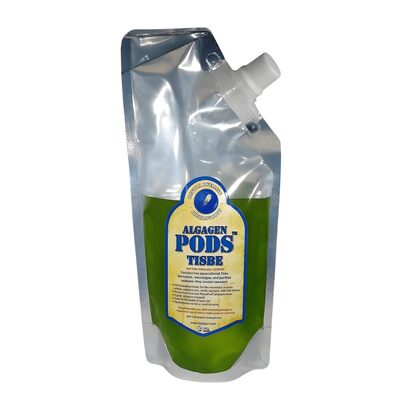
Great for establishing a benthic (rock/sand) population that can reproduce in protected microhabitats.

Strong water-column swimmer—excellent for fish that hunt in open water and for boosting overall biodiversity.

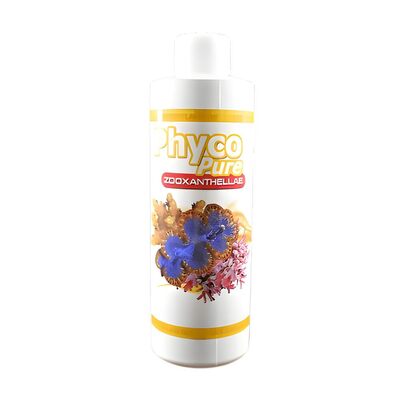
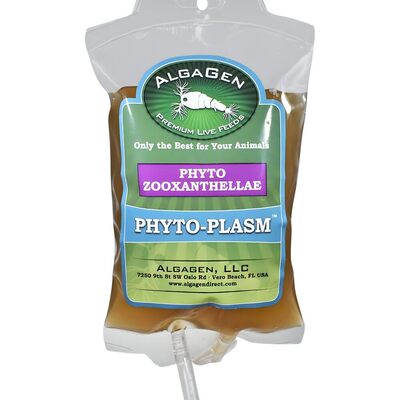
Feeds pods and improves the nutritional value they pass to fish and corals.
Related Articles
- Refugium Setup for Copepods
- Copepods as Clean Up Crew: Natural Algae Control
- Reef Tank Water Parameters: Live Food Edition
- Mastering Phytoplankton Dosing for Saltwater Tanks

Recent post