
Starting a new reef tank is an exercise in patience. Most hobbyists focus on the nitrogen cycle—waiting for ammonia and nitrites to hit zero—but there is a second, equally important cycle that often gets overlooked: the biological cycle of micro-fauna. Introducing live copepods to a new tank during the early stages is one of the most effective ways to ensure a smooth transition from a sterile glass box to a thriving, mature ecosystem. By seeding your tank early, you are essentially "pre-loading" your environment with the workers it needs to stay healthy.
Beating the "Ugly Stages" before they start
Every new tank goes through the "ugly stages"—a period where diatoms, hair algae, and cyanobacteria take advantage of the lack of competition in a new system. Copepods are your first line of defense against these nuisances. As natural scavengers, they consume the very films and detritus that fuel algae outbreaks. By establishing a dense population of pods before you add your first fish, you create a biological barrier that makes it much harder for "bad" algae to gain a foothold in your aquarium.
- Diatom Control: Copepods actively graze on diatoms, helping to clear up the brown dusting that often covers new sand and rocks.
- Biofilm Management: They keep surfaces clean, allowing beneficial nitrifying bacteria to colonize more effectively.
- Natural Competition: A high population of beneficial micro-life leaves less "room" and fewer nutrients for pests like dinoflagellates.
Building the foundation of the food web
In a sterile new tank, there is no natural food source for future inhabitants. If you plan on keeping Mandarins, Wrasses, or Anthias, you cannot wait until the fish arrives to start thinking about pods. Adding copepods during the cycle allows them to find hiding spots and begin reproducing without the pressure of being hunted. This "head start" ensures that by the time you introduce your first fish, there is already a sustainable, self-replenishing food source waiting for them, reducing the stress of acclimation.
New Tank Timeline: When to add pods
| Phase | Action | Goal |
|---|---|---|
| Week 1-2 (Cycling) | Add first dose of pods | Establish micro-fauna while ammonia is low. |
| Week 3-4 (Post-Cycle) | Add second dose + Phytoplankton | Boost population density before adding fish. |
| Month 2+ (Stocking) | Monitor and replenish | Maintain levels as fish begin to hunt. |
How to seed a new tank successfully
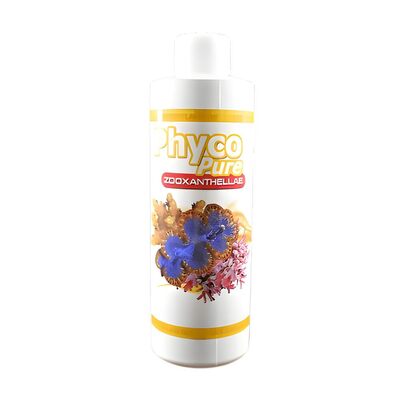
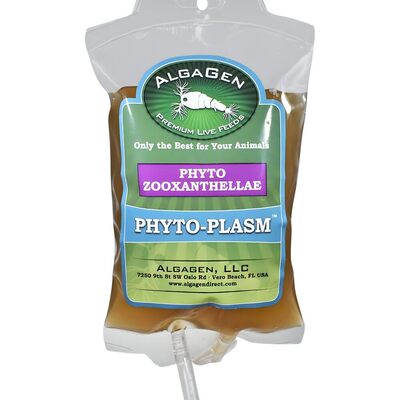
When adding pods to a new setup, it is vital to provide them with a food source, as a new tank lacks the natural detritus they usually eat. Dosing a high-quality live phytoplankton alongside your pods will ensure they have the energy to reproduce. It is also helpful to add pods directly to your rockwork or refugium at night. This allows them to settle into the nooks and crannies of your dry or live rock without being swept away by high flow or immediately spotted by any early-addition fish like hardy damsels or clowns.
Featured starter pods

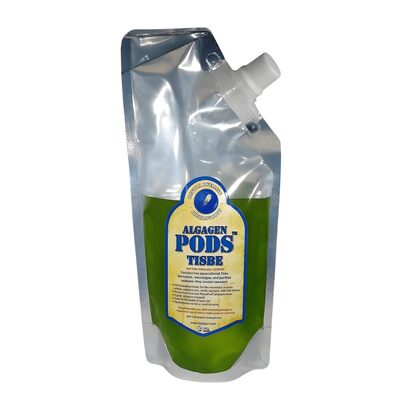
AlgaGenPods™ Tisbe — The best benthic pod for colonizing new rockwork and sand.

AlgaGenPods™ Apocyclops — Hardy and versatile pods that thrive in the changing conditions of a new tank.

Recent post