
Tisbe copepods are widely considered one of the best “foundation” pods for refugiums—and for good reason. They reproduce quickly, they prefer surfaces (which makes them easier to sustain long-term), and they turn a refugium into a reliable pod nursery that continuously seeds your display tank. If your goal is a steady supply of live food for fish like mandarins, or simply better nutrient recycling through a healthier micro-food web, Tisbe is a smart starting point.
Why Tisbe thrives in refugiums
Refugiums offer exactly what Tisbe likes most: protected surface area, steady oxygen, and a place to feed without constant predation. Unlike more open-water pods, Tisbe spends much of its time crawling through algae mats, rock rubble, and substrate—so it can build population density even when your display tank contains pod-hunters.
- Benthic behavior: Tisbe lives on surfaces (rock, sand, macroalgae), which helps it “stick” and establish.
- Fast reproduction: Once it has food and habitat, it scales into a sustainable colony.
- Great export potential: Pods naturally drift/flush from the refugium into the display for continuous feeding.
Best refugium habitat for Tisbe (simple setup)
You do not need anything fancy to create a pod-producing refugium, but you do need structure. The more surface area you provide, the more pods you can sustain.
- Macroalgae: Chaetomorpha is a classic because it creates a dense “pod jungle.”
- Rubble zone: A small rock rubble pile or porous media gives Tisbe permanent hiding/egg-laying space.
- Low-to-moderate flow: Enough turnover for oxygen, but with calm pockets so pods can settle.
- Stable lighting schedule: Many run refugium lights on a reverse cycle to help stabilize pH.
Feeding Tisbe: the #1 factor for population growth
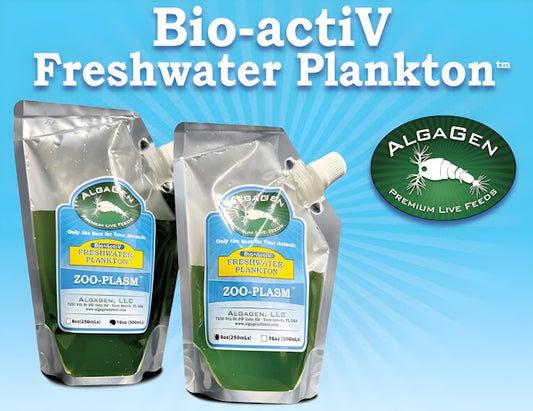
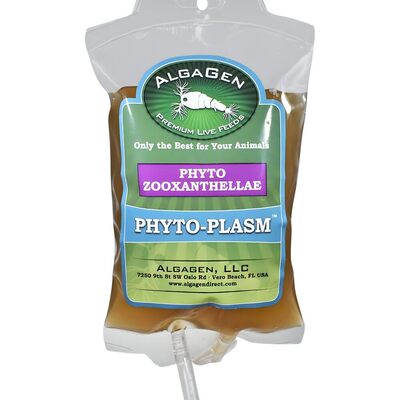
Pods don’t multiply just because you added them—they multiply when they have consistent micro-food. In many systems, the refugium becomes a “too clean” space once nutrient export improves. If pod production is your goal, dosing a plankton food source is what keeps reproduction high and nutrition strong.
- Best practice: Feed small amounts consistently rather than large, infrequent doses.
- What to watch: If your refugium glass has more specks at night over the next few weeks, you’re on track.
Refugium pod-production chart (what to do based on results)
| What You See | What It Usually Means | Fix |
|---|---|---|
| Few pods after 2–3 weeks | Not enough food / too much predation | Feed more consistently and seed refugium at night; add more habitat. |
| Pods explode, then drop | Food swings or big clean-outs | Stabilize feeding; avoid “resetting” the refugium with deep cleans. |
| Pods visible nightly on glass | Healthy culture | Maintain routine; harvest gently by shaking macroalgae in display. |
| Refugium gets detritus-heavy | Low flow / high input | Increase gentle flow and siphon lightly without removing rubble habitat. |
How to seed and maintain a long-term Tisbe colony
- Seed at lights out: Gives pods time to hide and attach to surfaces.
- Split your dose: Put some into the refugium and some into the display rockwork.
- Protect the nursery: If the display has heavy pod predators, rely on refugium export as your main “pod supply line.”
- Re-seed strategically: Every few months (or after major changes) to keep genetics and density strong.
Featured refugium pod

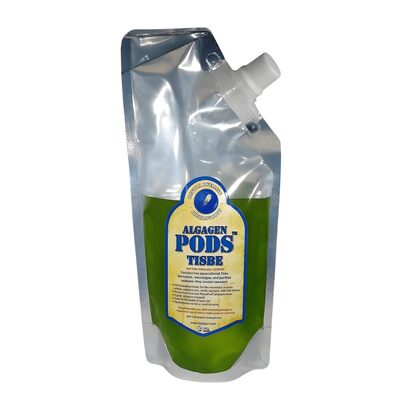
AlgaGenPods™ Tisbe — A benthic copepod that excels at refugium colonization and long-term pod production.
Recent post