In the world of marine aquaculture, the successful rearing of coral larvae (planulae) is a significant milestone. One of the most critical factors in this process is providing the right nutrition at the right time. Rotifers, specifically Brachionus plicatilis, have emerged as an indispensable food source for coral larvae during their early developmental stages.
These microscopic organisms serve as a bridge between primary producers (phytoplankton) and higher-level consumers, offering a nutrient-dense package that is perfectly sized for developing coral polyps.
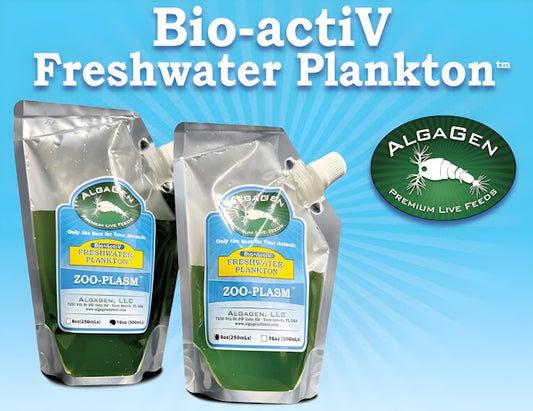
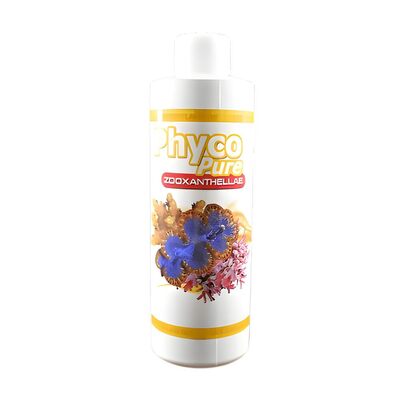
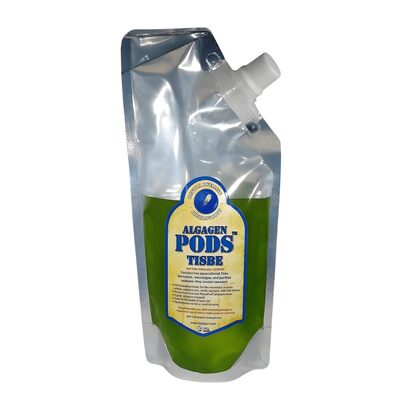
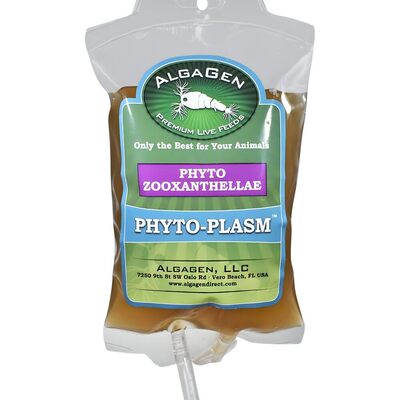
Featured Larval Nutrition Products


Why Rotifers are the Ideal First Food
Coral larvae have very specific requirements that rotifers are uniquely qualified to meet:
- Perfect Size: At 50-300 microns, rotifers are small enough to be captured and ingested by even the smallest coral planulae.
- Nutritional Customization: Rotifers are "living capsules." By feeding them high-quality phytoplankton like PhycoPure™, you can "gut-load" them with specific fatty acids (DHA/EPA) that are vital for coral development.
- Slow Movement: Unlike some copepods, rotifers move at a pace that allows relatively immobile coral larvae to successfully capture them.
The Role of Rotifers in Coral Settlement
The transition from a free-swimming larva to a settled polyp is an energy-intensive process. Rotifers provide the caloric "boost" needed for this metamorphosis. Research has shown that coral larvae fed with enriched rotifers have significantly higher settlement rates and better post-settlement survival compared to those that are underfed.
Comparison: Rotifers vs. Other Larval Foods
| Food Source | Size (Microns) | Nutritional Value | Ease of Use |
|---|---|---|---|
| Rotifers | 50 - 300 | High (when enriched) | Moderate (requires culture) |
| Phytoplankton | 2 - 20 | High (base nutrition) | Easy (direct dosing) |
| Copepod Nauplii | 70 - 150 | Very High | Difficult (complex culture) |
| Oyster Eggs | 40 - 50 | High | Easy (frozen/liquid) |
Best Practices for Feeding Coral Larvae
- Enrichment is Key: Always feed your rotifers a high-quality phytoplankton blend for at least 4-6 hours before offering them to your coral larvae.
- Maintain Density: Ensure a consistent density of rotifers in the larval rearing tank to maximize the chances of encounter and capture.
- Water Quality: Because you are adding live food and its associated culture water, monitor ammonia and nitrate levels closely to avoid fouling the delicate larval environment.
Related Articles
- Mastering Phytoplankton Dosing for Saltwater Tanks
- Live Foods for Coral: Feeding SPS, LPS, and Softies
- Zooplankton vs Phytoplankton: Reef Food Explained
Recent post