LPS corals have a reputation for being the forgiving middle ground of reef keeping — easier than SPS, more dramatic than soft corals, and rewarding enough to hold the attention of experienced aquarists for years. That reputation is mostly deserved. But forgiving does not mean low-effort. LPS corals fail quietly when two things go wrong: lighting that does not match their biology, and feeding that never happens at all. Get those two things right, and virtually every popular LPS species will reward you with full polyp extension, strong coloration, and steady growth over time.
The biology of LPS corals sits at an interesting crossroads. Like all zooxanthellate corals, they host symbiotic algae — zooxanthellae — within their tissue. These microscopic algae perform photosynthesis and share the resulting energy with the coral, providing the majority of its baseline nutritional needs. But LPS corals also have large, fleshy polyps equipped with tentacles and a functional mouth. They are designed to capture and consume particulate food. A coral that only gets light and nothing else is running on partial power. One that gets both light and regular targeted feeding genuinely thrives.
Getting Lighting Right for LPS Corals
LPS corals generally prefer moderate light — noticeably less than SPS species and more than most soft corals. The target range for most common LPS species sits between 50 and 150 PAR at the coral's placement point. Hammer corals, torch corals, elegance corals, and bubble corals all sit comfortably in the lower half of that range. Duncan corals and candy cane corals handle the upper end without issue. Frogspawn tends to be flexible across the full range as long as acclimation is gradual.
The photoperiod matters as much as intensity. Most LPS corals respond well to a ten to twelve hour light cycle with a gradual ramp up and ramp down that mimics natural sunrise and sunset. Abrupt transitions from zero to full intensity stress the zooxanthellae and can cause bleaching even when PAR levels are otherwise appropriate. Any time you change bulbs, add fixtures, or increase intensity, do it over a two to three week period rather than all at once. The coral's internal symbiont population needs time to adjust.
| LPS Species | PAR Range | Flow Preference | Feeding Response | Difficulty |
|---|---|---|---|---|
| Hammer Coral | 50–100 PAR | Low to moderate | Strong — feeds readily | Beginner |
| Torch Coral | 50–100 PAR | Low — avoid direct flow | Strong — very responsive | Beginner |
| Candy Cane Coral | 75–150 PAR | Moderate | Moderate — target feed | Beginner |
| Frogspawn | 50–150 PAR | Low to moderate | Strong — feeds actively | Beginner |
| Duncan Coral | 100–150 PAR | Moderate | Very strong — target feed | Beginner |
| Elegance Coral | 50–100 PAR | Very low — sensitive | Strong — benefits greatly from feeding | Intermediate |
Feeding LPS Corals: Why It Actually Matters
The zooxanthellae inside LPS coral tissue handle the baseline energy load through photosynthesis, but they do not provide everything the coral needs for growth, skeleton building, and tissue repair. LPS corals that receive targeted particulate feeding consistently grow faster, hold better color, and recover from stressors more quickly than corals kept under identical parameters but fed nothing. The difference is not subtle over a three to six month timeframe.

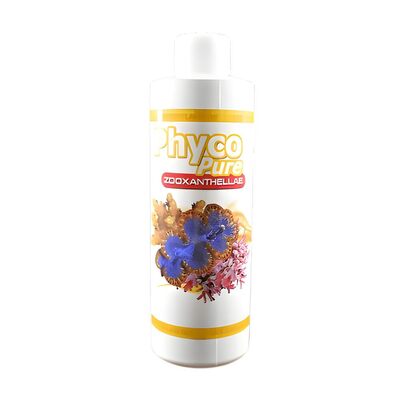
Supporting the zooxanthellae population itself is the first layer of LPS coral nutrition. When corals experience stress — a temperature swing, a parameter shift, a move to a new tank — they can expel a portion of their symbiotic algae, leaving tissue pale and energy-depleted. PhycoPure™ Zooxanthellae delivers live zooxanthellae directly to the water column, giving stressed corals the opportunity to reabsorb symbiont cells and restore the photosynthetic partnership their energy system depends on. It is not a rescue product reserved for bleached corals — used proactively on a regular dosing schedule, it helps maintain a dense, healthy symbiont population year-round.
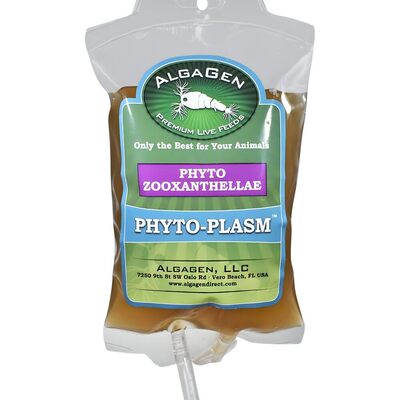
For aquarists who want the convenience of a drip-style delivery system alongside maximum freshness, Phyto-Plasm™ Phyto Zooxanthellae offers the same live zooxanthellae benefit in AlgaGen's Easy Feed Packaging format. It contains two species of symbiotic microalgae and is packed fresh on the day of shipment with no fillers, thickeners, or additives. The Easy Feed format allows for a continuous low-level drip into the tank — which mirrors far more closely how zooxanthellae are naturally available in reef environments than a once-weekly bulk dose does.

Beyond zooxanthellae supplementation, LPS corals benefit from direct particulate feeding two to three times per week. The best feeding window is in the evening, roughly thirty to sixty minutes after the lights begin to dim. This is when LPS polyps extend their feeding tentacles most fully and are actively sweeping the water for zooplankton. Reduce flow slightly during feeding to keep particles in suspension near the coral rather than blowing them straight to the overflow. A turkey baster or feeding pipette makes target feeding straightforward, letting you deliver food directly to extended polyps without broadcasting excess nutrients across the entire tank.
Live copepod nauplii, small meaty particles, and liquid zooplankton products all work well for LPS target feeding. Copepods from a healthy refugium export continuously into the display tank during lights-out periods, providing a passive feeding stream that complements your scheduled direct feeds. Tanks that combine a live copepod population with regular zooxanthellae dosing and two to three targeted feedings per week consistently produce the kind of LPS growth and coloration that makes the hobby genuinely exciting.
The approach is not complicated. Stable moderate light, a gradual photoperiod, zooxanthellae support on a consistent schedule, and targeted feeding a few nights a week. That is the entire framework. LPS corals are not demanding — they just need you to show up consistently rather than occasionally.
Frequently Asked Questions
How often should I feed my LPS corals?
Two to three times per week is the sweet spot for most LPS species. Feed in the evening when polyps are fully extended and reduce flow slightly during feeding to keep particles near the coral. Overfeeding can spike nutrients, so consistency matters more than volume.
What PAR level is best for LPS corals?
Most LPS corals thrive between 50 and 150 PAR depending on the species. Torch, hammer, and elegance corals prefer the lower end around 50 to 100 PAR. Candy cane and Duncan corals handle up to 150 PAR comfortably. Always acclimate gradually when adjusting light intensity.
What does PhycoPure Zooxanthellae do for LPS corals?
PhycoPure Zooxanthellae delivers live symbiotic algae to the water column, allowing corals to reabsorb zooxanthellae cells that support photosynthesis and energy production. Used regularly, it helps maintain healthy symbiont density and supports recovery after stress events like temperature swings or parameter shifts.
Why are my LPS coral polyps not extending fully?
Poor polyp extension in LPS corals is usually caused by one of three things: flow that is too direct or too strong, light intensity that is too high or was increased too quickly, or water parameters that are unstable. Alleviating flow pressure, dialing back light, and stabilizing alkalinity and salinity resolve most cases within days.
Can I use Phyto-Plasm Phyto Zooxanthellae in a continuous drip system?
Yes — that is exactly what the Easy Feed Packaging format is designed for. A continuous low-level drip closely mimics the natural availability of zooxanthellae in reef water and is more effective than infrequent large doses for maintaining stable symbiont levels in your corals.
Related reading:
The Beginner's Guide to Mastering LPS Coral Care
Zooxanthellae Explained: Coral Energy Source
Zooxanthellae Algae: Tiny Powerhouses for Coral
Recent post