Phytoplankton is the foundation of the marine food web. In a reef aquarium, dosing live phytoplankton provides essential fatty acids, proteins, and vitamins to corals, clams, and other filter feeders. However, the most common question reefers ask is: "How much should I actually dose?"
Because every reef tank has a different biological load and filtration capacity, there is no "one size fits all" answer. Instead, successful dosing is about finding the balance between providing enough nutrition and maintaining pristine water quality.
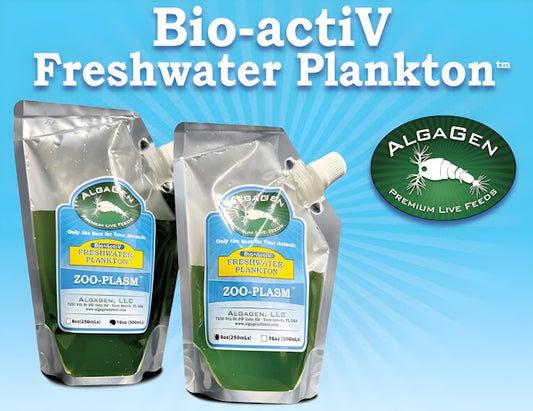
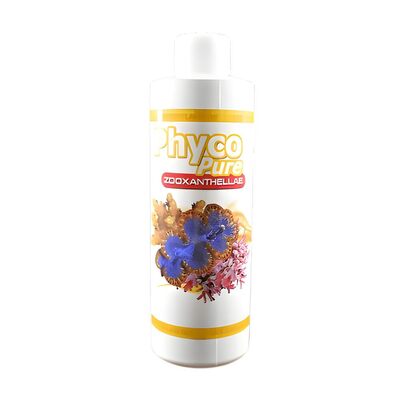
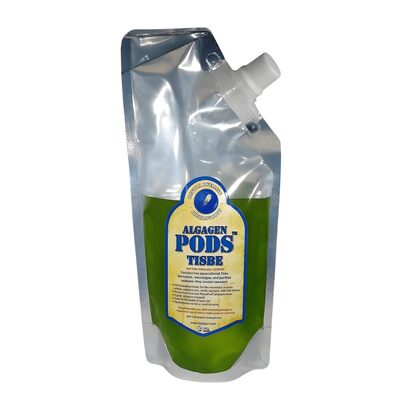
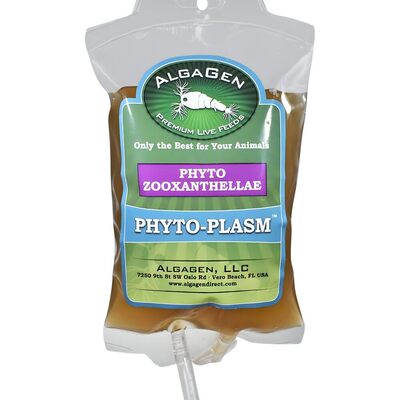
Featured Phytoplankton Blends


General Dosing Guidelines
For most high-density live phytoplankton products like PhycoPure™, a standard starting point is 1-2 teaspoons (5-10ml) per 50 gallons of tank water, 2 to 3 times per week.
Factors that influence your dose:
- Coral Type: SPS corals and clams generally require more frequent, smaller doses than large-polyp stony (LPS) corals.
- Filtration: If you run a heavy protein skimmer or UV sterilizer, much of the phytoplankton may be removed before corals can consume it.
- Biodiversity: Tanks with large populations of copepods and rotifers will consume phytoplankton much faster.
Dosing Chart by Tank Type
| Tank Focus | Recommended Frequency | Suggested Dose (per 50 gal) | Goal |
|---|---|---|---|
| Mixed Reef | 3x per week | 5ml - 10ml | General health and biodiversity |
| SPS Dominant | Daily (Small amounts) | 2ml - 5ml | Consistent energy for small polyps |
| Clam / Gorgonian Tank | Daily | 10ml+ | High-volume filter feeding support |
| New Tank (Cycling) | 1x per week | 2ml - 5ml | Seeding microfauna without spikes |
Best Practices for Dosing
- Turn off the Skimmer: Turn off your protein skimmer and mechanical filtration for 30-60 minutes after dosing to allow the corals time to feed.
- Target Feeding: For specific corals like Gorgonians or sun corals, use a pipette to gently puff a small cloud of phytoplankton directly over the polyps.
- Night Dosing: Many corals extend their feeding tentacles at night. Dosing after the lights go out can often yield better results.
- Keep it Fresh: Live phytoplankton is a living product. Always check the "best by" date and keep it refrigerated to maintain nutritional value.
Signs of Overfeeding
If you notice a sudden spike in Nitrates or Phosphates, or if you see an increase in nuisance film algae on the glass, you may be dosing more than your system can process. Simply reduce the frequency or amount until levels stabilize.
Related Articles
- Zooxanthellae Explained: Coral Energy Source
- Live Foods for Coral: Feeding SPS, LPS, and Softies
- Reef Tank Water Parameters: Live Food Edition
Recent post