While copepods often get the spotlight in the reef hobby, rotifers are the unsung heroes of the planktonic world. These microscopic multicellular animals are a cornerstone of the marine food web, providing an essential bridge between primary producers like phytoplankton and larger predators like corals and fish larvae. Incorporating rotifers into your reef tank setup can significantly boost the health and growth of filter-feeding organisms, creating a more dynamic and resilient ecosystem that mimics the nutrient-rich waters of a natural coral reef.
The benefits of rotifers for corals and filter feeders
Rotifers are the perfect size for many small-polyp stony (SPS) corals and other filter feeders that may find larger copepods difficult to capture. Because they are slow-moving and stay suspended in the water column, they provide a constant "feeding cloud" that corals can graze on throughout the day and night. This continuous availability of live food can lead to better polyp extension, faster growth rates, and more vibrant coloration, as the corals receive a steady supply of proteins and essential fatty acids that are often lacking in dry or frozen foods.
- Ideal Prey Size: At 100-300 microns, rotifers are accessible to even the smallest coral polyps.
- Nutritional Density: When properly fed, rotifers are packed with highly unsaturated fatty acids (HUFA).
- Larval Support: Essential for anyone attempting to breed fish or support natural spawning events in the tank.
Setting up a rotifer dosing routine
You don't need a complex laboratory setup to benefit from rotifers. Many hobbyists choose to dose live rotifers directly into their display tank or refugium on a regular basis. The key to a successful routine is consistency. By adding a measured amount of rotifers several times a week, you can maintain a background population that supports your tank's inhabitants without overwhelming your filtration system. For the best results, dose your rotifers shortly after the lights go out, when many corals are in their peak feeding state.
Rotifer Dosing Comparison
| Method | Pros | Cons |
|---|---|---|
| Direct Dosing | Immediate food source for corals. | Requires regular replenishment. |
| Refugium Seeding | Can establish a small breeding colony. | Population may be limited by flow. |
| Continuous Drip | Provides a constant food source. | More complex equipment setup. |
Feeding your rotifers for maximum impact
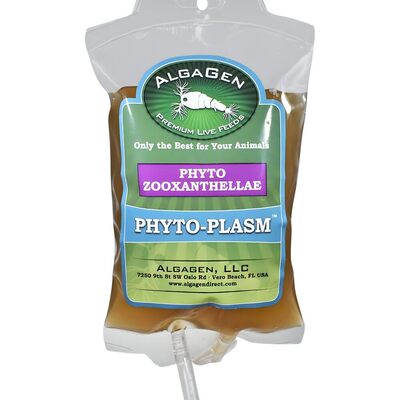
Just like copepods, rotifers are "what they eat." To ensure they are providing the maximum nutritional benefit to your reef, they should be gut-loaded with high-quality phytoplankton before being added to the tank. Using a specialized plankton blend ensures that the rotifers are carrying the full spectrum of nutrients your corals need. If you are maintaining a separate rotifer culture, regular feeding and small water changes will keep the population healthy and prevent the culture from crashing, ensuring you always have a fresh supply of live food on hand.
Featured plankton support

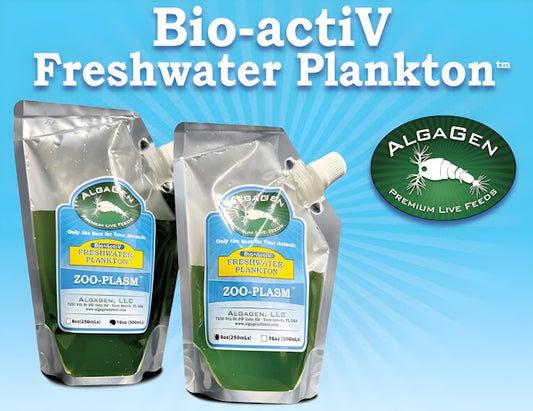
Bio-actiV Freshwater Plankton™ — The perfect fuel for maintaining high-density rotifer populations.

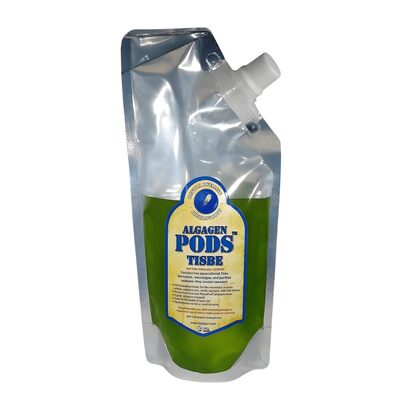
Zoo-Plasm™ PODS — A versatile plankton blend designed to support the diverse needs of a reef food web.
Recent post