
Amphipods are one of the most underappreciated “cleanup crew” animals in the reef hobby. While snails and hermits get most of the credit, amphipods quietly handle a different job: they crawl into rubble, macroalgae, and low-flow zones to shred detritus, pick at leftover food, and help keep waste from building up in hidden areas. If you’re searching for amphipods for sale, the real value is not just adding “bugs” to your tank—it’s strengthening the tank’s natural recycling system.
What amphipods are (and how to spot them)
Amphipods are small crustaceans related to shrimp. In aquariums they’re often described as “mini shrimp” that dart and crawl, especially at night. You’ll usually see them:
- In refugiums and macroalgae balls (especially Chaetomorpha)
- Inside rock rubble piles and porous media
- On the glass after lights out
What amphipods actually clean
Amphipods are best thought of as shredders. They break down bigger waste into smaller particles that bacteria and other microfauna can process more easily.
- Leftover food: Especially larger frozen-food fragments that settle into cracks.
- Detritus “mulm”: The brown/gray buildup in low-flow zones and sump corners.
- Decaying organic material: Dead microalgae, dying macroalgae strands, and shed tissue.
Amphipods vs copepods (simple comparison chart)
| Category | Amphipods | Copepods |
|---|---|---|
| Size | Larger (easy to see) | Smaller (often “white specks”) |
| Best Cleanup Role | Shredding larger detritus/leftovers | Grazing film, microalgae, fine detritus |
| Where they thrive | Rubble, macroalgae, refugium | Sand/rock surfaces, macroalgae, some water column |
| Predation risk | Moderate to high (fish love them) | Lower overall (many hide in micro-crevices) |
Where amphipods do best (and why refugiums matter)
Amphipods reproduce best when they have structure and safety. If your display tank has active pod-hunters (wrasses, mandarins, many damsels), amphipods may get eaten faster than they can reproduce in the display. A refugium acts as the “nursery” that continuously re-seeds the main tank.
- Provide structure: Rock rubble, coarse sponge, or porous media.
- Add macroalgae: Chaetomorpha is a classic amphipod habitat.
- Keep flow moderate: Enough turnover for oxygen, but not so strong that pods can’t settle.
How to seed amphipods successfully
- Add at night: Lights-out introductions increase survival and settling.
- Target the refugium/rubble pile: Seed your safest zone first to build a breeding base.
- Feed the micro-food web: Amphipods need a steady trickle of organics (detritus, tiny food particles). Ultra-sterile systems can be too “clean” for fast reproduction.
- Avoid sudden crashes: Big maintenance events (deep sump cleans, aggressive filter swaps) can remove their habitat and food source.
Chart: Is your tank a good amphipod candidate?
| Your Tank Situation | Amphipods Will… | Best Move |
|---|---|---|
| Refugium + macroalgae | Thrive and reproduce | Seed refugium first; let it export pods to display. |
| Heavy pod predators in display | Get eaten quickly | Use refugium/rubble “pod pile” as a protected nursery. |
| Ultra-low nutrients / bare system | Grow slowly | Feed lightly and maintain habitat structure. |
| Detritus buildup in low-flow zones | Help process it | Combine amphipods + better flow + manual removal. |
Featured pod options (pairs well with amphipods)

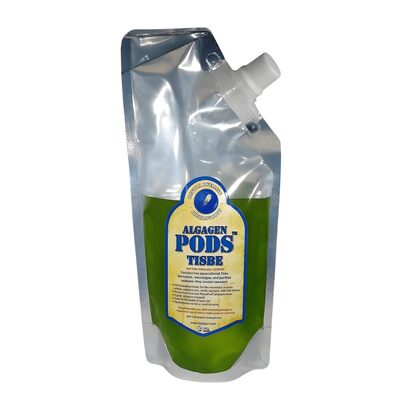
AlgaGenPods™ Tisbe — A benthic copepod that complements amphipods by grazing film and fine detritus.

AlgaGenPods™ Apocyclops — An active copepod that boosts biodiversity and supports open-water feeding behavior.
Recent post