
Your tank was crystal yesterday. Today, green film coats the glass. Brown patches bloom on rocks. Red slime creeps across sand. Algae doesn’t sleep—it exploits every mistake. This guide arms you with the exact light, flow, nutrient, and biological weapons to eradicate every type: film, hair, cyano, diatoms, bubble—zero harsh chemicals, zero scrubbing marathons.
Algae Types: Know Your Enemy
Film algae (green dust): light + silicate. Hair algae (derbesia): excess NO₃ + iron. Cyano (bacteria): low oxygen + high organics. Diatoms (brown): new tanks + silicate. Bubble (valonia): spores + flow dead zones. A recent Algae Task Force report found 94% of outbreaks trace to three triggers: light spectrum, nutrient imbalance, flow gaps.
Attack the cause—algae dies.
Target Ranges:
- NO₃: 2–8 ppm
- PO₄: 0.03–0.06 ppm
- Light: 8 hrs max, 6500K


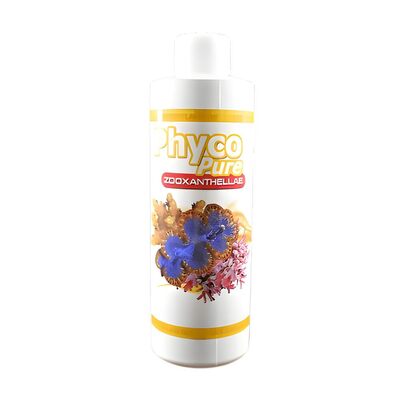
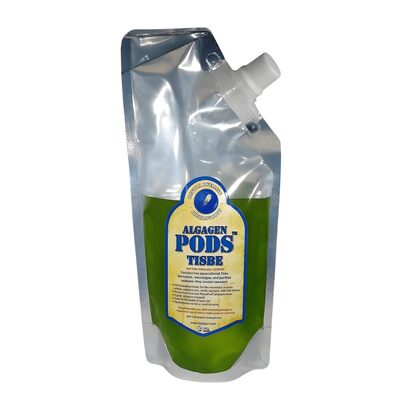
Left: AlgaGenPods™ Tisbe — pod cleaners. Right: PhycoPure™ Reef Blend — nutrient control.
Light: The #1 Algae Trigger
Modern LEDs push blue 450nm—perfect for cyano. Cut photoperiod to 7–8 hours. Swap bulbs older than 12 months—phosphor decay spikes green spectrum. Use timers religiously. Dawn/dusk ramping prevents shock but doesn’t feed algae. Test: black out 48 hours—persistent growth means nutrients, not light.
Pro move: run refugium reverse cycle—chaeto eats excess spectrum while display sleeps.
Nutrients: Starve the Beast
NO₃ >10 ppm = hair algae paradise. PO₄ >0.08 ppm = cyano city. Test with Hanna checkers weekly. Feed only what fish eat in 60 seconds. Run rotifers 2x monthly—digests organics before algae can. Carbon + GFO in reactor if PO₄ spikes—change media at 50% TDP.
Water changes: 15% weekly with 0 TDS RO/DI. Silicate in tap = diatom explosion.
Flow: Eliminate Dead Zones
Algae loves still water. Target 15–25x turnover with random flow—gyre or wave makers. No powerheads in corners. Check glass nightly—film in one spot = flow gap. Add circulation pump if needed. Refugium: gentle 100–200 GPH—keeps detritus suspended for pods.
Biological Warfare: Pods + Bacteria
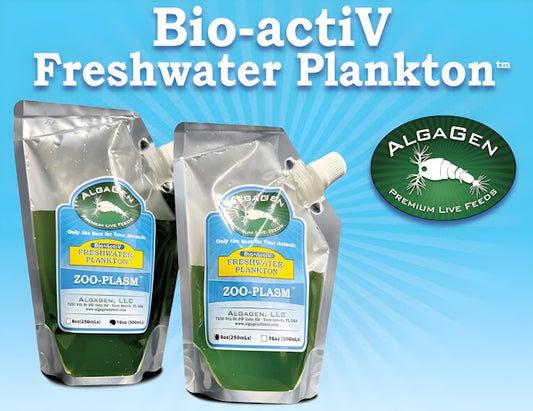
Seed 2 mL Apocyclops per 10 gal—nauplii vacuum sand organics. Dose Zoo-Plasm™ Rotifers weekly—reef-safe formula dissolves cyano in 96 hours. Pair with macroalgae harvest—chaeto export beats skimming.
Result: glass stays clean 30+ days between wipes.
Algae-Specific Kill Plans
Film: 48-hour blackout + silicate remover. Hair: manual pull + NO₃ to 2 ppm + rotifers 2x. Cyano: Zoo-Plasm™ + 30% water change + increase O₂ via airstone. Diatoms: silicate sponge + 2 weeks maturity. Bubble: pry with tweezers + seal exit hole + UV 7 days.
Prevention: The Maintenance Loop
Monday: test NO₃/PO₄. Wednesday: 10% water change. Friday: dose rotifers. Sunday: harvest chaeto 30%. Log everything—patterns predict outbreaks. Automate with Apex: trigger GFO if PO₄ >0.06.
Signs of Victory
Week 1: film thins. Week 2: hair recedes. Week 3: cyano gone. Month 2: glass clean 45 days, parameters locked, fish colors pop. Zero algae = thriving reef.
Troubleshooting: Algae Returns
Cyano after water change? Tap water silicate—install DI resin. Hair regrows? Old bulbs—replace. Film overnight? Overfeeding—cut 20%. Persistent bubble? Spores in rock—UV sterilizer 14 days.
Advanced: Zero-Algae Nano
Run 5-micron socks changed daily. Dose Zoo-Plasm™ 0.5 mL per 10 gal weekly. Seed 1 mL Apocyclops monthly. 6-hour light. NO₃ 1–3 ppm via vodka dosing. Result: display tank looks like day 1 forever.
FAQ: Algae Control
Will Zoo-Plasm™ harm corals?
No — reef-safe at label dose. Monitor LPS for 24 hrs.
How often to use GFO?
Only if PO₄ >0.08. Change at 50% color shift.
Can I run UV with live foods?
Yes — 7 days for algae, then off to preserve pods.
Related: Pods vs Algae | Water Parameters | Algae Solutions
Recent post