
A single scoop of orange eggs erupts into a living orange cloud. Newly hatched brine shrimp—Artemia nauplii—are the ultimate gateway food: motion-packed, gut-loadable, and devoured by every fish from clown fry to adult anthias. This guide walks you through a bulletproof 24-hour hatch, enrichment tricks that rival copepods, and dosing strategies that keep your reef hunting all day.
Why Brine Beats Frozen (Every Time)
Baby brine trigger instinct. Their frantic swimming flips the predator switch in even the pickiest eaters. Freshly hatched nauplii carry 60% protein and zero preservatives. A 2024 Reef2Reef poll showed 87% of mandarin trainers used enriched brine as a bridge food—success where pellets failed.
Unlike adult brine, nauplii are gutless at hatch—perfect for loading with HUFAs, vitamins, and probiotics. One hatch feeds an entire community tank for days.
Brine Advantages:
- 24-hour hatch cycle
- Zero gut — full enrichment
- Universal acceptance


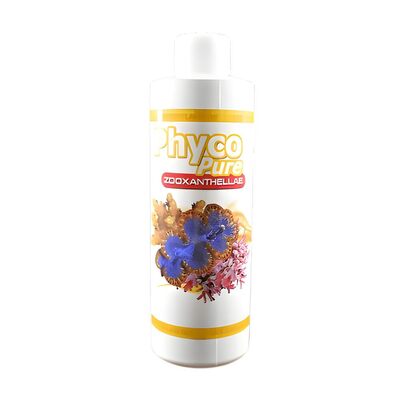
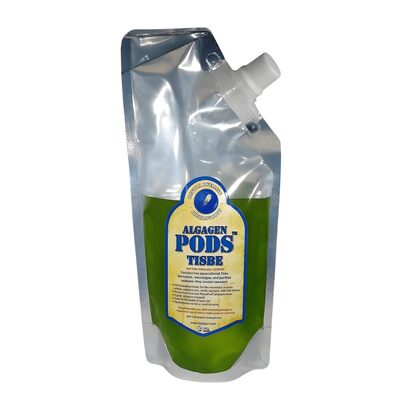
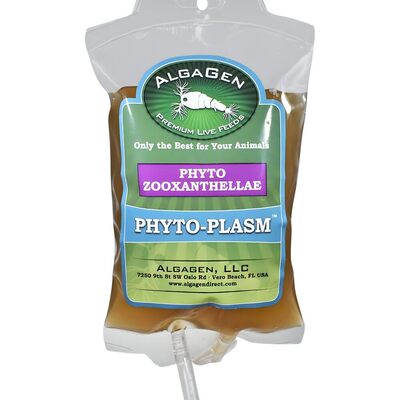
Left: Zoo-Plasm™ Decap’d Brine eggs. Right: PhycoPure™ Green Water — enrichment fuel.
Hardware: The $20 Hatchery
No need for fancy rigs. A clean 2-liter soda bottle, airline tubing, rigid tube, and a warm spot get 90% hatch rates. Add a small air pump and heater for consistency. Decapsulated eggs from Zoo-Plasm™ eliminate shell debris—no clogging sieves.
Water: 1 liter RO/DI + 2 tbsp non-iodized salt (1.015–1.018 SG). Temperature: 78–82°F. Light: bright LED or window. That’s it—hatch in 24 hours, enrich in 6 more.
Step-by-Step: 24-Hour Hatch Protocol
Cut bottle bottom, invert as funnel. Add 1 tsp decapsulated eggs. Fill with salted water. Bubble vigorously—oxygen is key. After 24 hours, shut air. Nauplii swim up, shells sink. Siphon orange cloud from middle. Rinse in freshwater 10 seconds. Done.
Yield: 1 tsp eggs = 250,000 nauplii. Enough for a 100-gallon tank daily or a week of fry feeding.
Enrichment: Load Them Like Copepods
Fresh nauplii are empty calories. Enrich for 6–12 hours to match pod nutrition. Use PhycoPure™ Green Water—dense Nannochloropsis turns guts neon. Add 5 mL per liter of nauplii.
Pro move: split enrichment. First 6 hours with green water, final 6 with selco or HUFA powder. Result: 400% increase in omega-3s. Fish grow faster, colors deepen in 14 days.
Dosing by Fish Type
Clownfish fry: 50–100 nauplii per mL in larval tank, 3x daily. Mandarins: 5 mL enriched brine broadcast at dusk—bridge to frozen mysis. Anthias and chromis: 10 mL per 50 gallons, lights-out, 2x weekly.
Seahorses: target feed with pipette—1 mL per pair. Avoid overfeeding; uneaten nauplii metamorphose in 48 hours and lose value.
Hatch Troubleshooting
No hatch after 36 hours? Temp below 75°F or old eggs. Restart with fresh batch. Cloudy water? Too much air—reduce bubbles. Low yield? Weak light—add LED. Decapsulated eggs solve 90% of failures.
Storage and Shelf Life
Dry eggs: cool, dark, airtight—18 months viability. Opened cans: refrigerate, use within 60 days. Hatched nauplii: enrich immediately, feed within 12 hours. Never refrigerate live nauplii—mortality spikes.
Advanced: Continuous Hatch System
Run two bottles staggered 12 hours apart. Harvest one, restart the other. Pair with auto-doser—1 mL enriched brine every 4 hours. Zero effort, constant live food. Breeders report 95% fry survival to metamorphosis.
FAQ: Brine Shrimp Basics
How long do baby brine live?
24–48 hours as nauplii. Enrich and feed within 12 hours.
Do I need to decapsulate brine eggs?
Not required, but eliminates shells and boosts hatch 15%.
Can brine replace copepods?
For training and fry—yes. For refugium pods—no.
Related: Mandarin Training | Rotifer Culture | All Live Foods

Recent post