Culturing your own freshwater copepods is one of the most rewarding projects a fish keeper can undertake. Not only does it provide a nearly endless supply of high-protein live food for your fish and fry, but it also gives you complete control over the nutritional quality of what your inhabitants are eating. While it may seem intimidating at first, setting up a home culture is relatively simple and requires very little space or expensive equipment. With a bit of consistency, you can transform a single bottle of starter pods into a thriving colony that fuels your entire aquarium ecosystem.
Setting up your culture vessel
The first step is choosing a container. A simple 2-to-5-gallon glass or plastic tank, or even a large clean jar, works perfectly. Unlike a display aquarium, a culture vessel doesn't need fancy lighting or a substrate; in fact, a bare bottom makes it much easier to clean and monitor the population. You will need a small air pump and an air stone to provide gentle circulation. The goal is to keep the water moving just enough to prevent stagnation without creating a "washing machine" effect that could stress or damage the delicate copepods.
- Water Quality: Use dechlorinated tap water or aged aquarium water. Avoid using water directly from a tank that has been treated with medications.
- Temperature: Most freshwater copepods thrive at room temperature (68-75°F). Avoid placing the culture in direct sunlight, which can cause rapid temperature spikes.
- Aeration: Keep the bubbles slow and steady—about one to two bubbles per second is usually sufficient.
Feeding for maximum reproduction
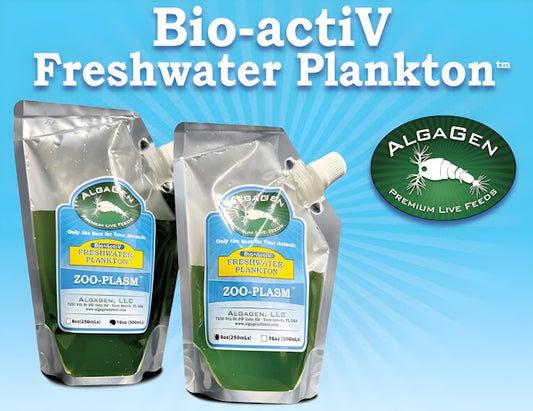
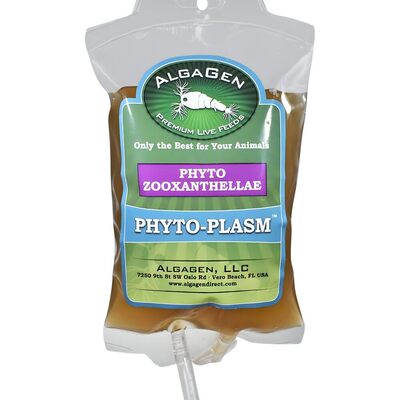
Copepods are filter feeders, and their primary food source is phytoplankton. To keep your culture growing, you must provide a consistent supply of "green water." Dosing a high-quality live freshwater plankton blend is the most effective way to ensure your pods are getting the essential fatty acids they need to reproduce. The key is to feed just enough to turn the water a very light tint of green. Once the water clears, it’s time to feed again. Overfeeding can lead to a buildup of waste and a culture crash, so it is always better to feed small amounts frequently rather than one large dose.
Culture Maintenance Checklist
| Task | Frequency | Why it Matters |
|---|---|---|
| Feeding | Every 1-2 days | Maintains growth and nutritional density. |
| Water Change | Weekly (10-20%) | Removes waste and replenishes minerals. |
| Harvesting | Weekly | Prevents overcrowding and keeps the colony young. |
| Cleaning | Monthly | Wiping down the sides prevents biofilm buildup. |
Harvesting and feeding your tank
Once your culture has reached a high density—usually 2 to 3 weeks after starting—you can begin harvesting. The easiest way to do this is by using a fine mesh sieve (50-100 microns). Simply pour a portion of the culture water through the sieve, rinse the captured pods with a little fresh dechlorinated water, and then release them into your aquarium. Always remember to replace the water you removed from the culture vessel with fresh, treated water to keep the volume stable. Regular harvesting actually encourages the remaining pods to breed faster, keeping your "live food factory" in peak production mode.
Featured culture starters

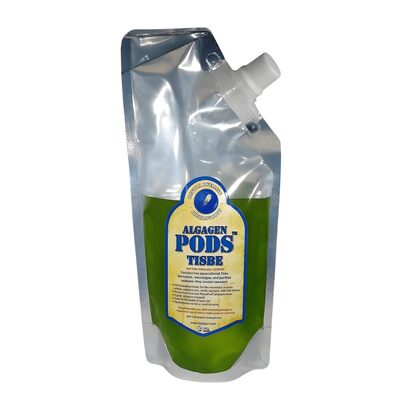
AlgaGenPods™ Apocyclops — A hardy and prolific starter pod for home cultures.

Bio-actiV Freshwater Plankton™ — The essential fuel to keep your copepod culture thriving.
Recent post